Erfahrungsbericht
Malik A., Master’s in Renewable Energy and E-Mobility, Summer Semester 2026, BIP HARBOR, University of Dubrovnik, Croatia, 28 June – 4 July 2026
From Lecture Halls to City Walls: Seven Days in Dubrovnik
When I applied for the intensive programme in Dubrovnik, one thought stayed in my mind: can seven days abroad really be enough? I expected an interesting week at another university, some new lectures and a little time to explore the city. What I did not expect was how easily those seven days would turn into a complete international experience — with new academic perspectives, people from different backgrounds, cultural activities, historic streets, island views and moments that felt very far from an ordinary university week.
The experience started positively even before travelling. The application and preparation process at Hochschule Stralsund was very smooth, and the Outgoing International Office was supportive throughout the whole process. Whenever I had a question, it was easy to reach out and receive help. This made the preparation straightforward and allowed me to look forward to the programme rather than worry about the administrative side of going abroad.
During the stay, I lived in accommodation connected to the university. Although it was a university residence, it felt much more like a hotel and was also open to other guests. For a one-week intensive programme, this was particularly convenient. After arriving, settling in was easy, and the location gave me a good starting point for both the university programme and discovering Dubrovnik.
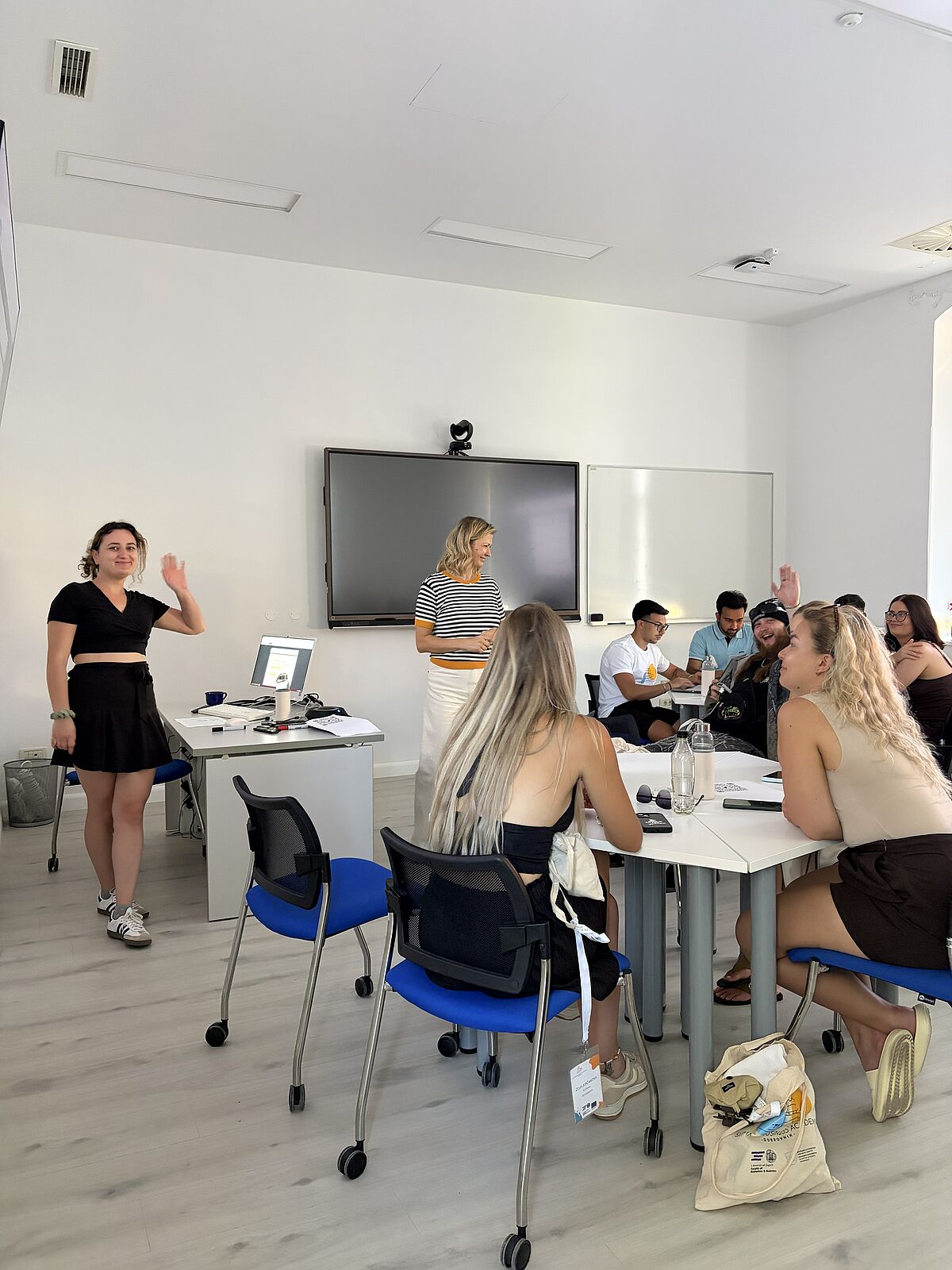
The academic programme at the University of Dubrovnik was quite different from my usual engineering studies, which was exactly what made it interesting. We had sessions on artificial intelligence, human-machine interaction, neuromarketing and financial behaviour. I especially enjoyed seeing how technology connects with human decisions and behaviour. Instead of looking only at technical systems, the programme encouraged us to think about the people interacting with those systems. For me, this was a refreshing change from my normal studies and a chance to look at familiar topics from a completely different angle.
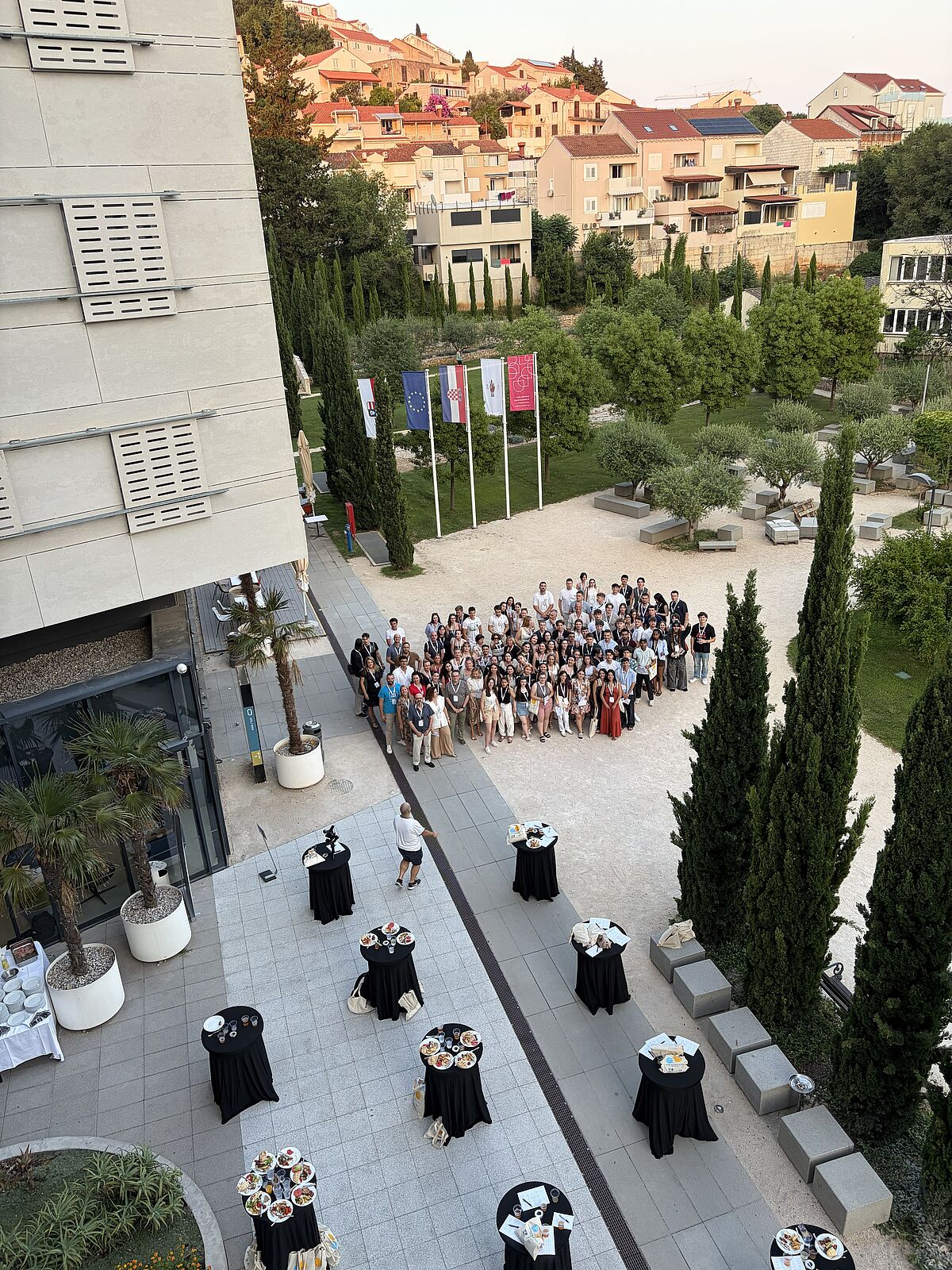
Very quickly, however, I realised that the lectures were only one part of the programme. Students had come from different universities and countries, and meeting new people happened very naturally. We had a cultural night, a city tour, a boat trip and other smaller activities together. Within only a few days, conversations moved from lectures and university life to our countries, food, travel and personal experiences. That was probably one of my favourite parts of the programme: people who had arrived as strangers were suddenly sharing a whole week of experiences together.
One moment that captured this particularly well was the boat trip. Only a few days earlier, most of us had not known each other, and now we were spending a day together on the Adriatic Sea, visiting an island and enjoying Dubrovnik from a completely different perspective. Even lunch became a memorable part of the day. Sitting together and having lunch while the boat was moving through the sea, surrounded by water, mountains and the coastline, was something completely different from an ordinary university day. It was one of those moments when you look around and think, this is actually part of my study programme. The international experience suddenly felt much more real than something written in a programme description.
And then there was Dubrovnik itself. The Old Town immediately became one of my favourite places. Walking through its narrow streets and historic buildings already felt special, but seeing the same city from the walls gave an entirely different impression. From there, the red rooftops of the Old Town, the surrounding mountains and the blue Adriatic Sea all come together in one view.
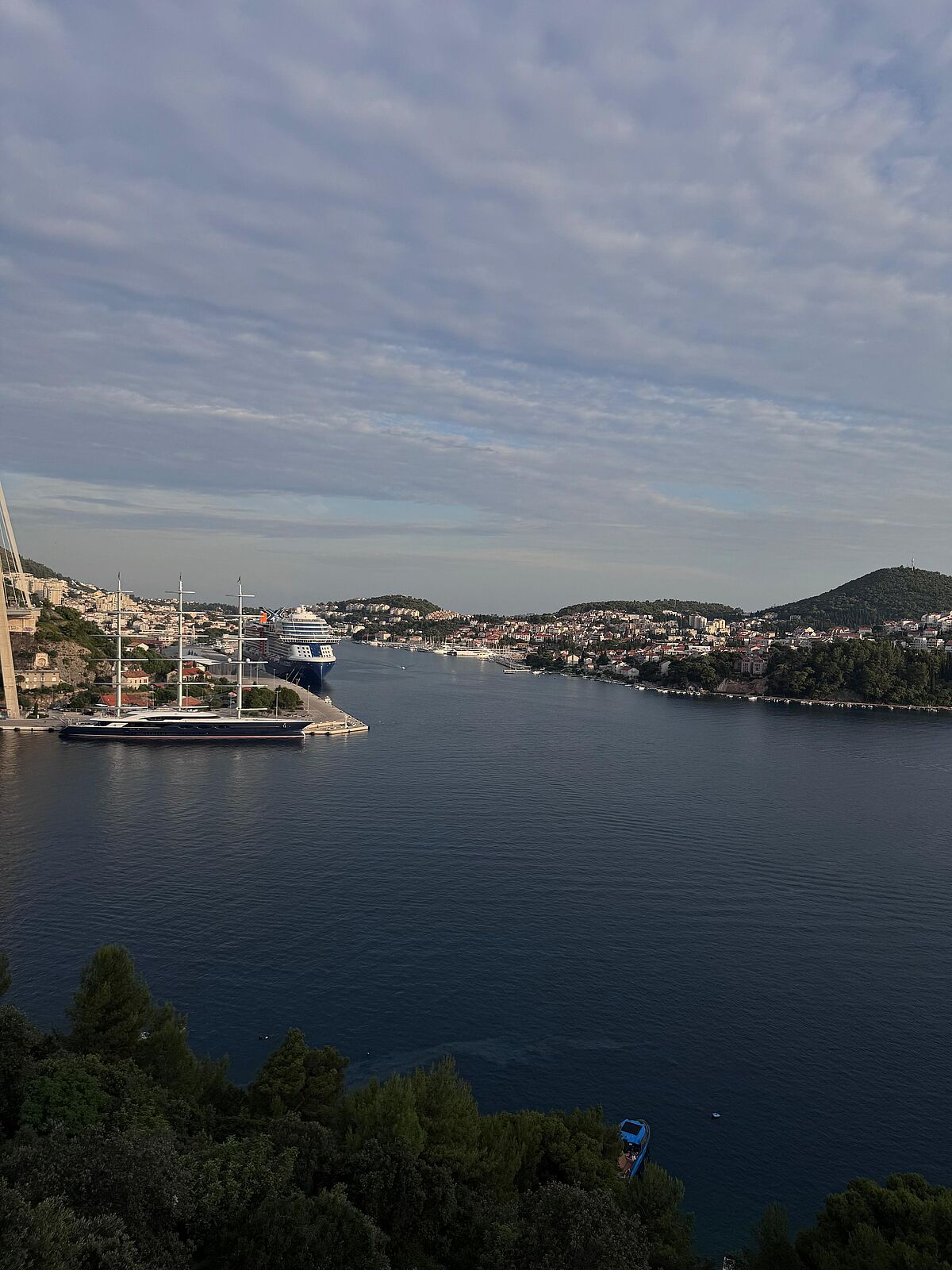
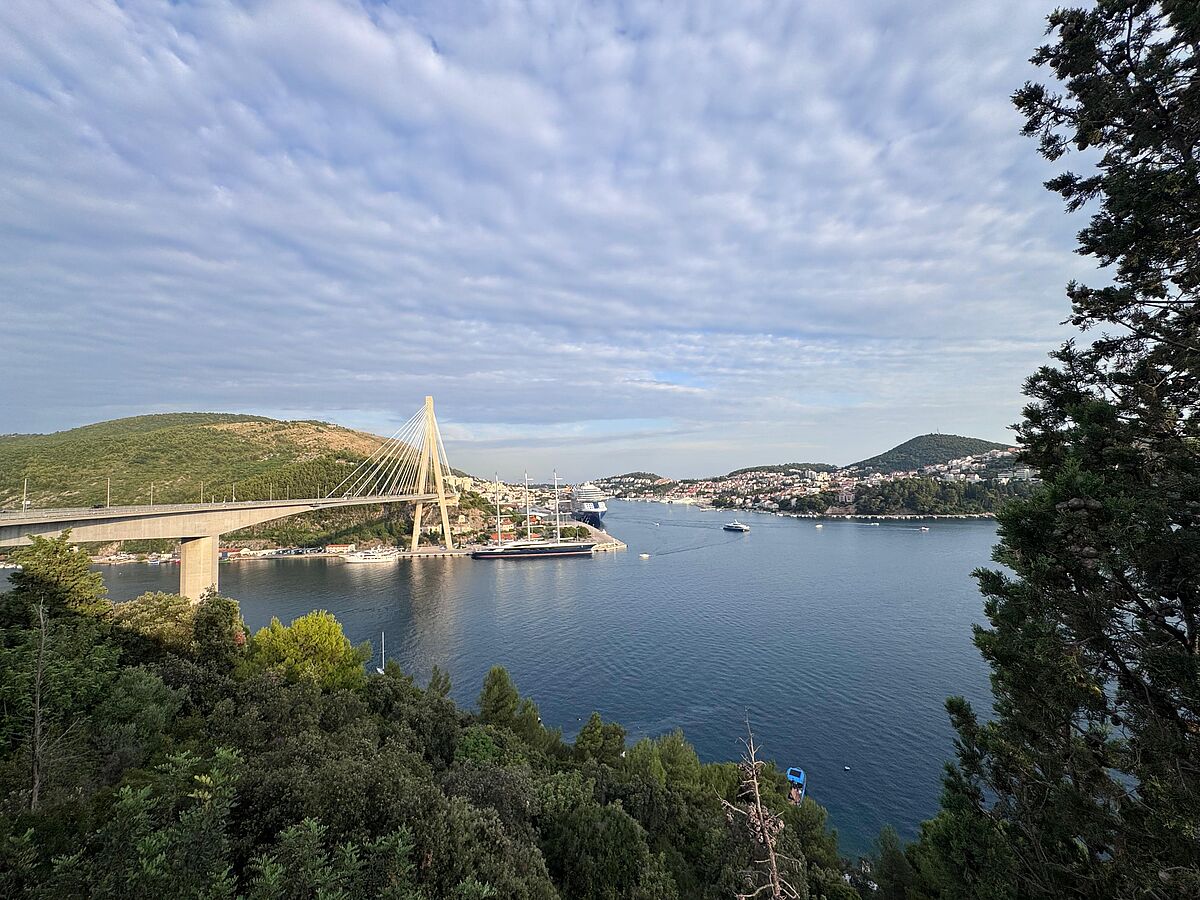
Another unforgettable perspective came from above the city. We went to the top of the hill overlooking Dubrovnik, where the whole Old Town, coastline and surrounding landscape could be seen at once. Standing there and looking down at the city made me realise how much we had already experienced in such a short time. A few days earlier, Dubrovnik had only been a destination on my travel plan; now many different places around the city were already connected with memories from the week.
For students considering a similar programme, I would definitely recommend making the most of both sides of the experience. Attend the academic sessions with an open mind, especially when the topics are outside your usual field, but also join the activities organised around them. The cultural night, city tour and boat trip made it much easier to connect with other students and experience the city together. I would also recommend considering the Dubrovnik Pass if you want to explore several of the city's main attractions during a short stay. With only one week available, having a simple plan for what you want to see can help you experience much more of the city.
Most importantly, do not think that a short programme cannot give you a real study-abroad experience. At the beginning, seven days sounded almost too short. By the end, it was surprising how many lectures, conversations, activities, views and new experiences had fitted into one week.
I returned home with new academic perspectives, memories of a beautiful city and connections with people I would probably never have met during a normal semester at home. Dubrovnik brought together everything I would hope for from a short international programme: learning, cultural exchange, new people, history, nature and enough unforgettable moments to make one week feel much longer.
So, can seven days abroad really be enough?
Absolutely. Sometimes seven days are all it takes to make a stay unforgettable.