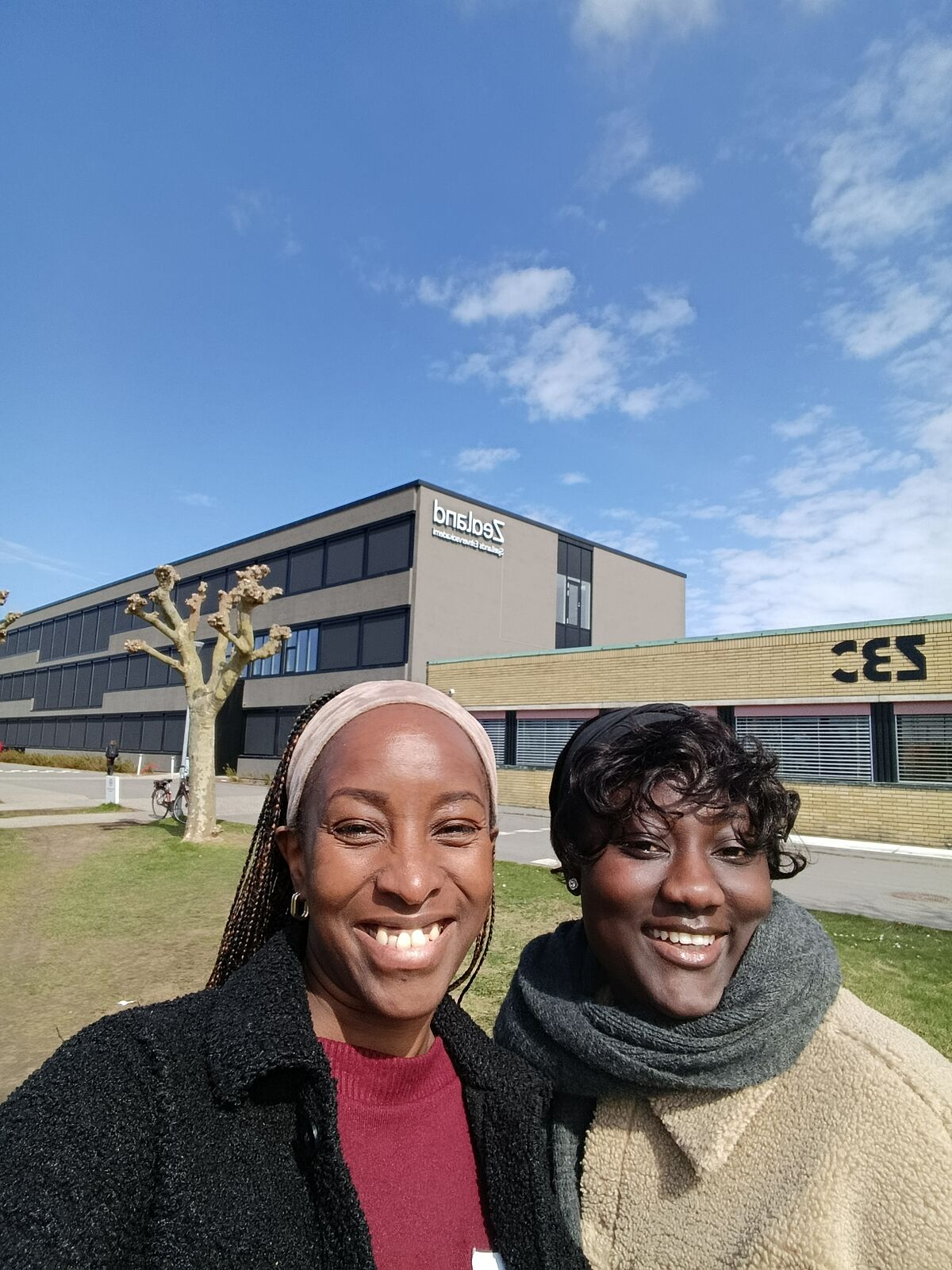
Elizabeth M. & Masira A.,BMS 6. Semester, Zealand Academy of Technology, Denmark, 12.04.-15.04.2026
Academic and Cultural Exchange – Slagelse, Denmark
Subject: Innovation, Sustainability, and Cultural Immersion in Zealand
This report outlines the key insights and experiences gained during my
recent academic visit to Zealand Slagelse Campus, Denmark. The trip was
structured to blend rigorous academic inquiry with cultural immersion,
focusing on how modern Danish society balances urban innovation with the
preservation of its bio-diversity and maintaining sustainability.
The primary learning objective was centered on urban innovation. We were
tasked with "reinventing" a specific part of Slagelse using urban greenery
to improve the outdoor spaces and give it a welcoming appeal - a challenge
that required us to look at existing infrastructure through a lens of
creative revitalization. It was an interesting task to work on. Group 9
(Masira was a member) was working on Zealand Campus and Group 10 worked on
Nystorv (Elizabeth was a member)
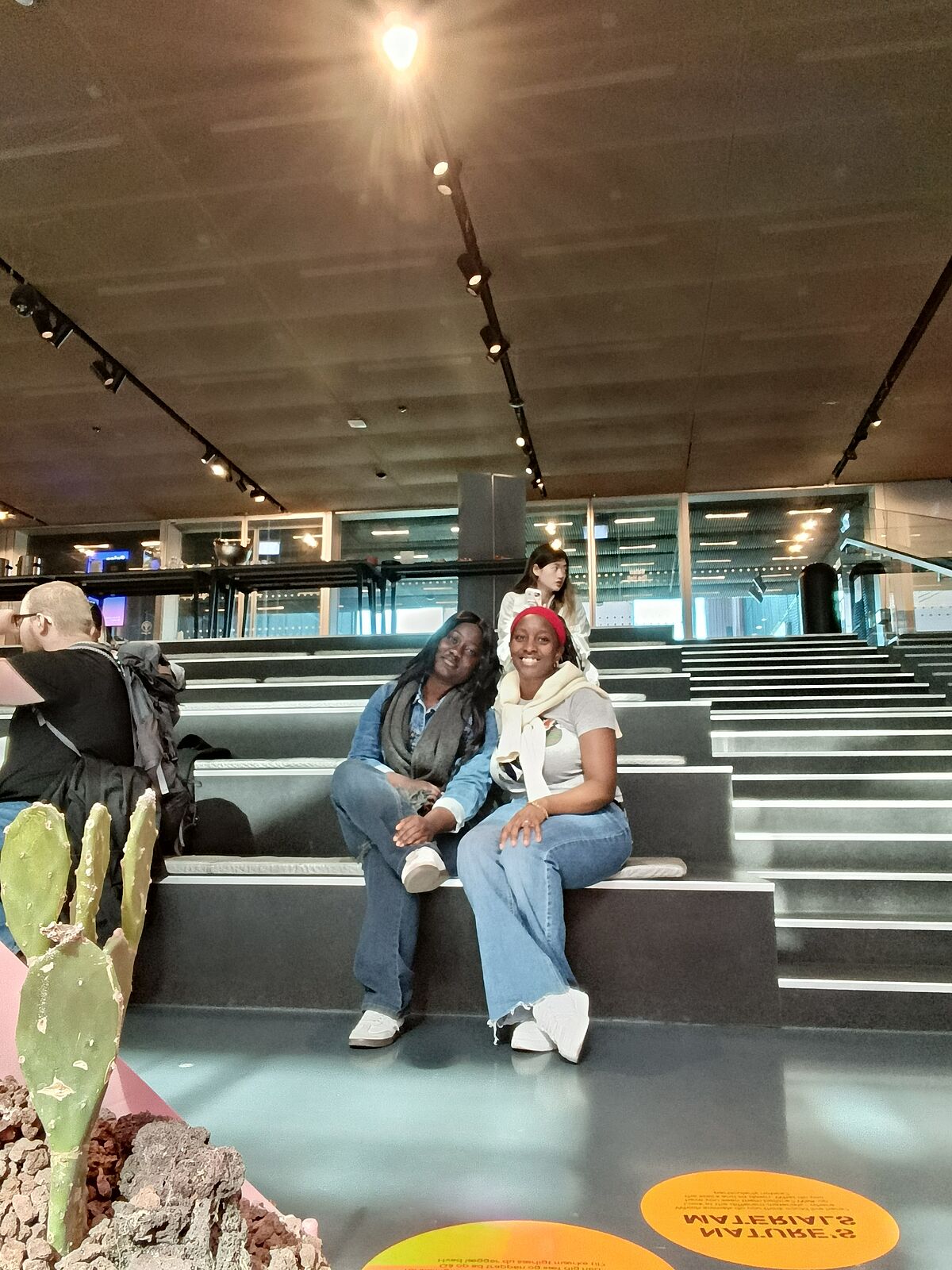
Our exploration of sustainability was anchored by a visit to the Næstved
Campus. Seeing the integration of green technology and sustainable
architectural design firsthand provided a practical template for how
educational spaces can minimize their environmental footprint. Furthermore,
our understanding of biodiversity was enriched by significant input from
the Slagelse Municipality staff.
Nikolaj (Bio-diversity expert)and Astrid (City planning expert) provided
invaluable data on local ecosystems, demonstrating how municipal planning
can actively protect and promote biological diversity within an urban
context.
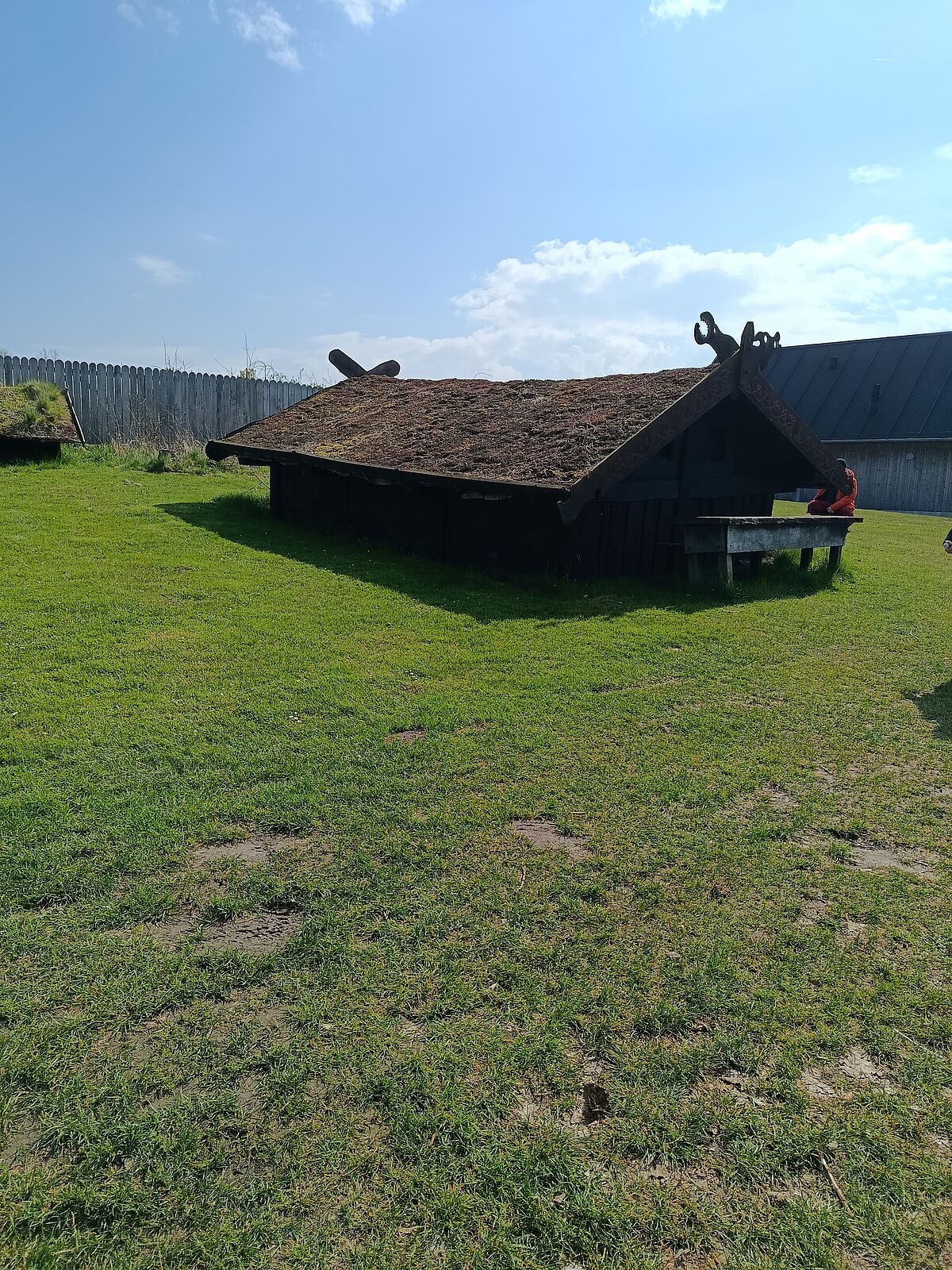
A standout highlight of the trip was the visit to the Viking Village at
Trelleborg. The experience was both incredible and deeply moving. Standing
within the preserved ring fortress, I felt the profound richness of history
that Denmark has managed to maintain. The site is a testament to the
importance of heritage; it was more than a museum—it was a sensory
experience that connected the past to the present, making the historical
narrative feel vibrant and alive.
The trip placed a high premium on teamwork. Through various structured
team-building activities, we were encouraged to leverage our diverse
strengths to solve complex problems. This collaborative spirit was mirrored
by the lecturers, who worked very closely with us throughout the project.
Their guidance was not merely top-down instruction but rather a
partnership, providing us with the tools and feedback necessary to refine
our innovations while allowing us the creative freedom to explore new ideas.
Beyond the academics, experiencing Danish culture was truly eye-opening. I
was particularly struck by the concept of hygge—the intentional creation of
cozy, convivial atmospheres that promote well-being. Seeing the positive
effects of this cultural philosophy on social cohesion and personal
happiness was enlightening and offered a sharp contrast to the high-stress
environments often found elsewhere.
This exchange program has been a transformative experience, broadening my
perspective on both urban design and the art of living. It reinforced the
necessity of stepping outside one's comfort zone to truly learn. As the
Kikuyu proverb wisely states:
"The one who fails to travel thinks only their mother cooks well."
I return from Denmark with a "fuller kitchen" of ideas, inspired by their
innovation and deeply respectful of their traditions.