
Excursion: Norway, October 2025
Tourism Development Studies
Oslo & Spitsbergen — Learning Tourism at the Edge of the World
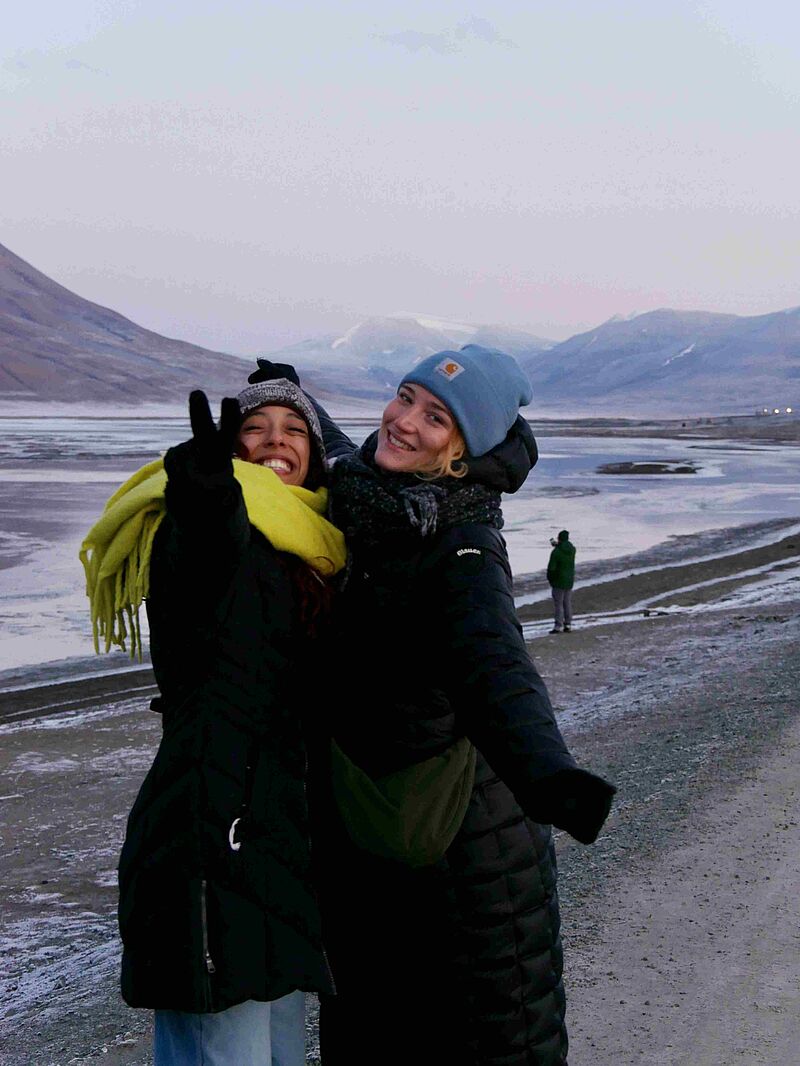
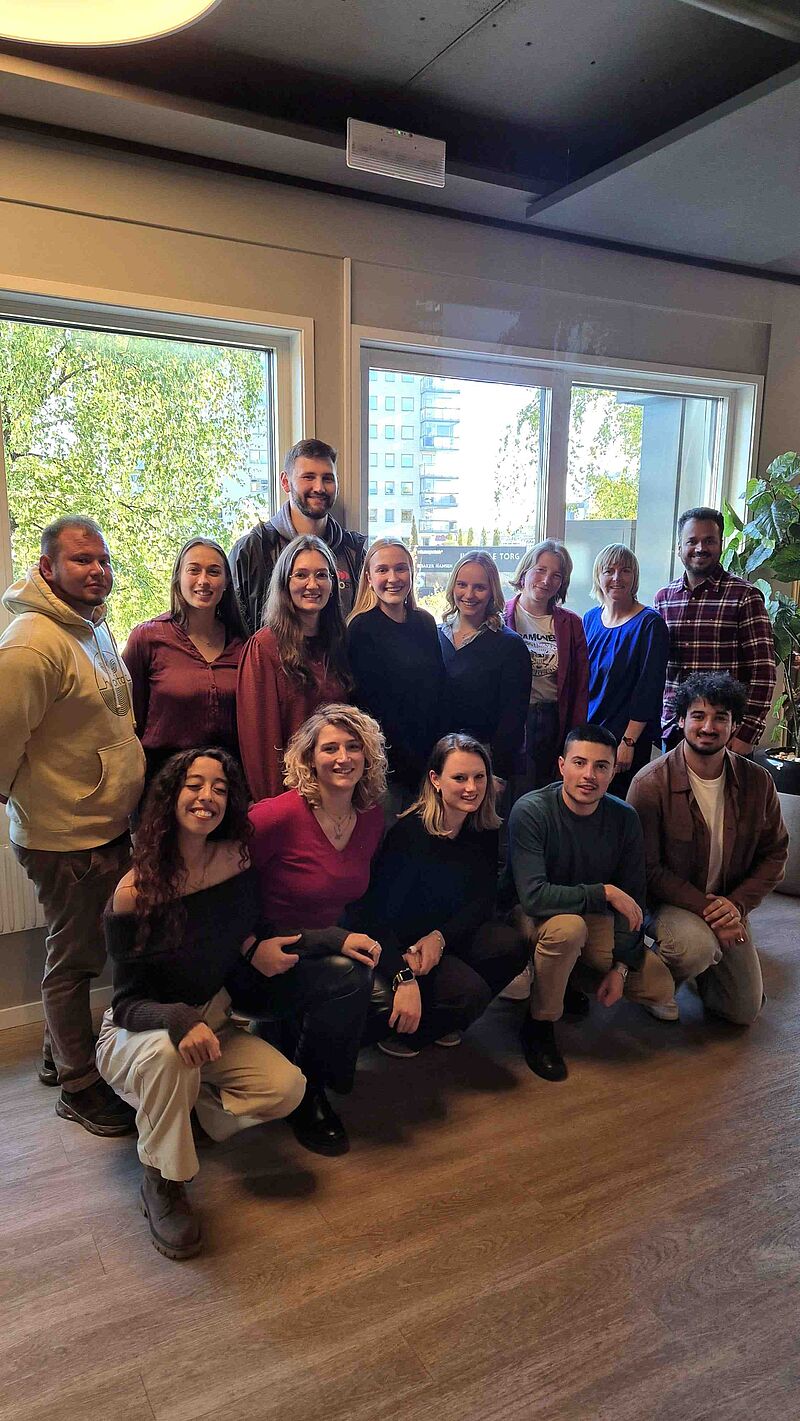
In October 2025, we — students from the Tourism Development Strategies (TDS) master’s programme at Hochschule Stralsund, travelled to Oslo and Spitsbergen (Svalbard) for our annual field excursion (download our TDS brochure and link to our video). What began as an academic trip soon became a deeply moving experience — from walking on ancient glaciers to witnessing Arctic wildlife in complete silence — filled with learning, reflection, awe, and moments we will never forget.
A few weeks before we even boarded the plane, our professor, Frau Schnierer, prepared us with a series of guest lectures that introduced us to Arctic history, climate challenges, and tourism in fragile destinations. These sessions helped us understand the deeper meaning behind what we would later see. As a group, we stayed connected through WhatsApp — sharing excitement, questions, and expectations. By the time we met at Berlin Airport, we already felt like a close and curious team, ready to explore and learn together.
9 October 2025 — Discovering Oslo
Landing in Oslo felt like stepping into an autumn postcard. Golden leaves, crisp air, and seagulls circling the fjord created an immediate sense of calm and beauty.
Our city tour with Emily brought Oslo’s identity to life. She explained why Oslo is called the “Tiger City,” symbolizing courage and opportunity, and guided us through neighbourhoods like Grünerløkka. We explored Jacob’s Church, once abandoned and now a cultural space, and learned how former bathhouses have been transformed into social gathering places.
We also discovered that Oslo has carried several names through history — from Anslo to Christiania and finally Oslo — reflecting political shifts and cultural evolution. The mix of historic wooden houses, river pathways, public art, and modern architecture showed how a city can respect its past while building a sustainable future.

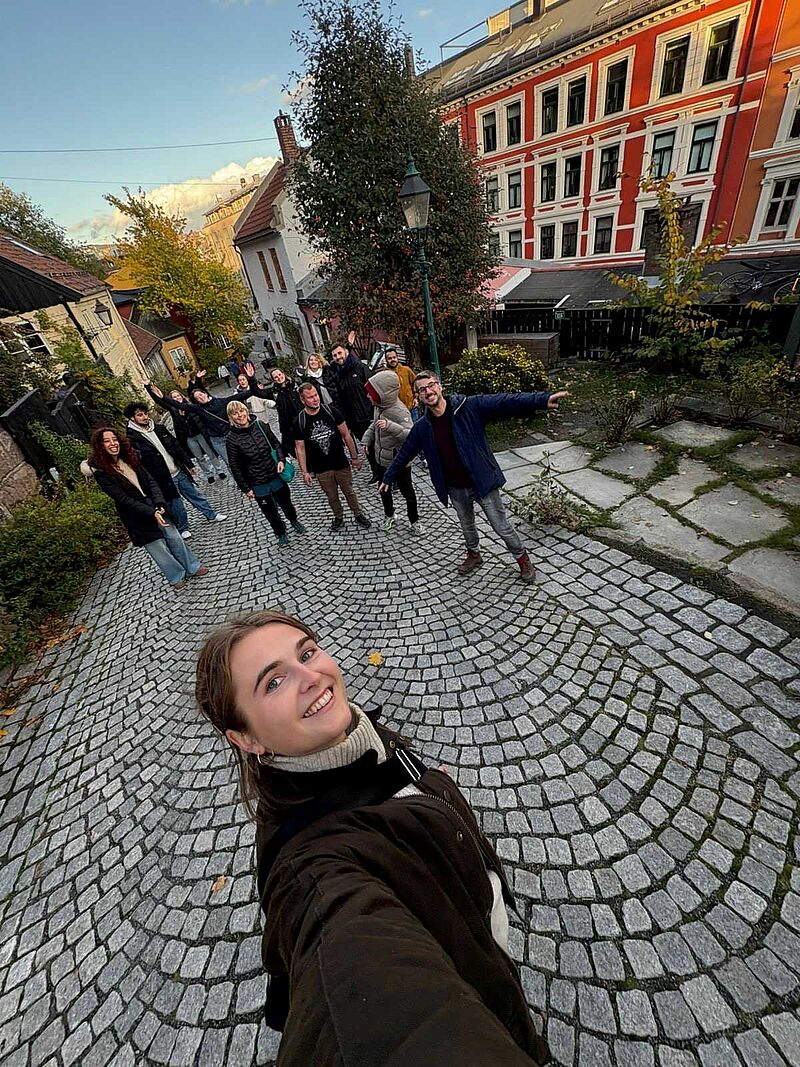
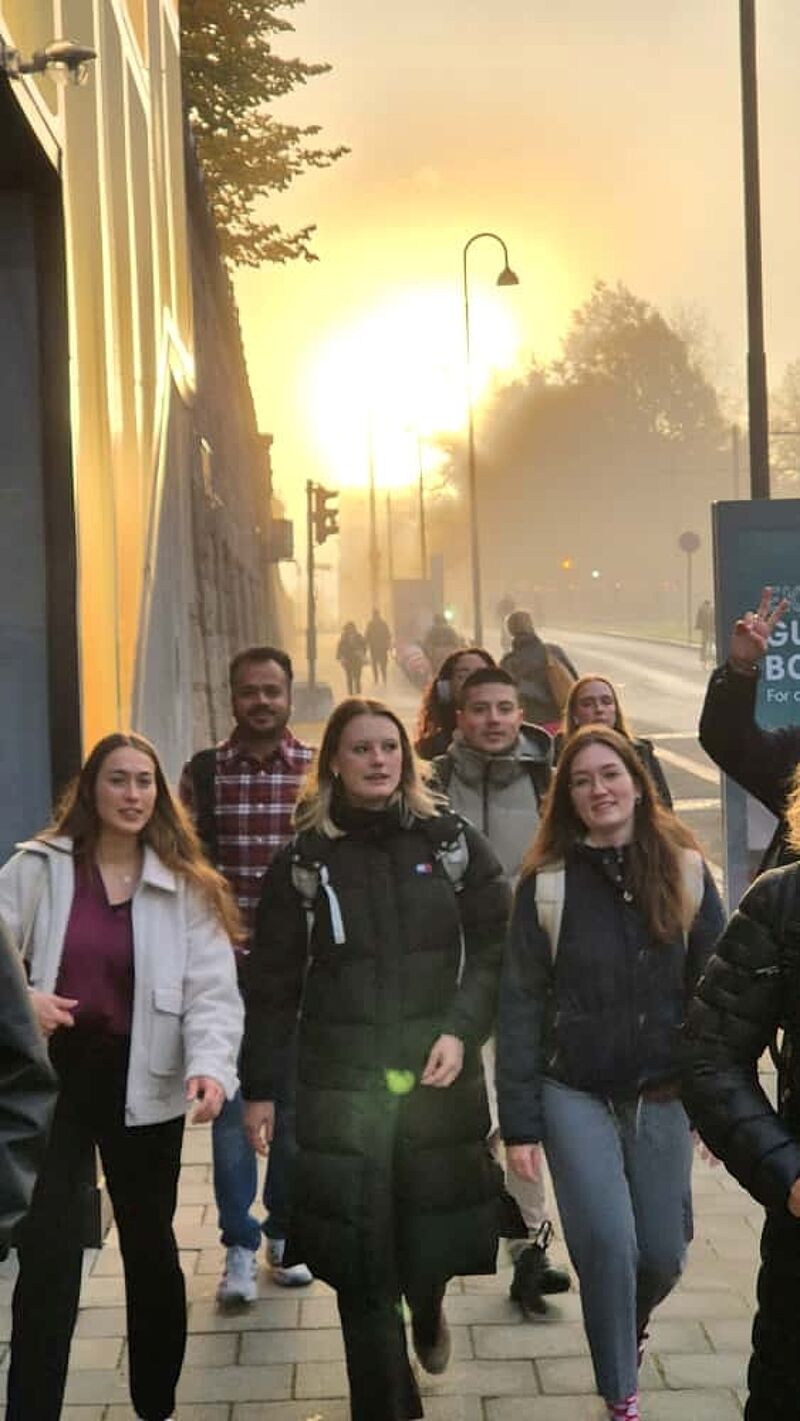
As we were travelling through the south of the country, the students were also able to engage with many representatives from various companies and different fields within the tourism industry. The meetings took place throughout the week ranging from formal meetings to some rather informal chats before or after an activity.
10 October 2025 — Journey to Longyearbyen: Entering the Arctic
We left early for Oslo Airport, and even the train ride offered a small but impressive detail — a machine onboard that allowed passengers to print boarding passes. As tourism students, we appreciated how thoughtful small improvements can make travel smoother and more welcoming.
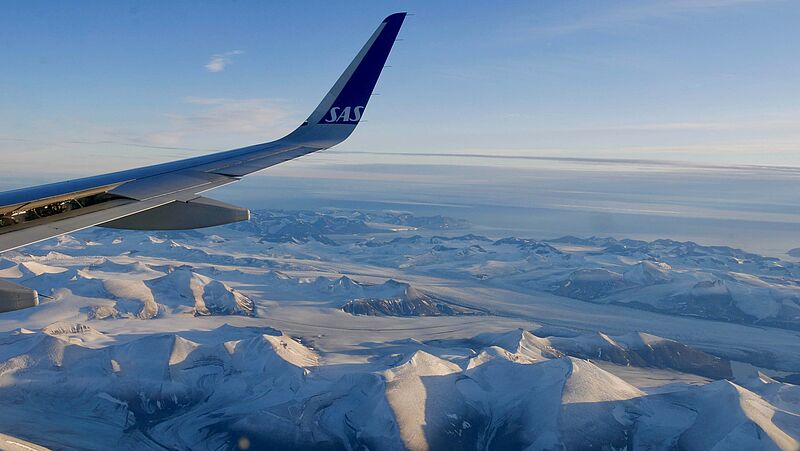
Flying north to Longyearbyen felt surreal. From above, we saw endless glaciers, sharp mountain peaks, and wide-open tundra. The landscape looked powerful, silent, and untouched.
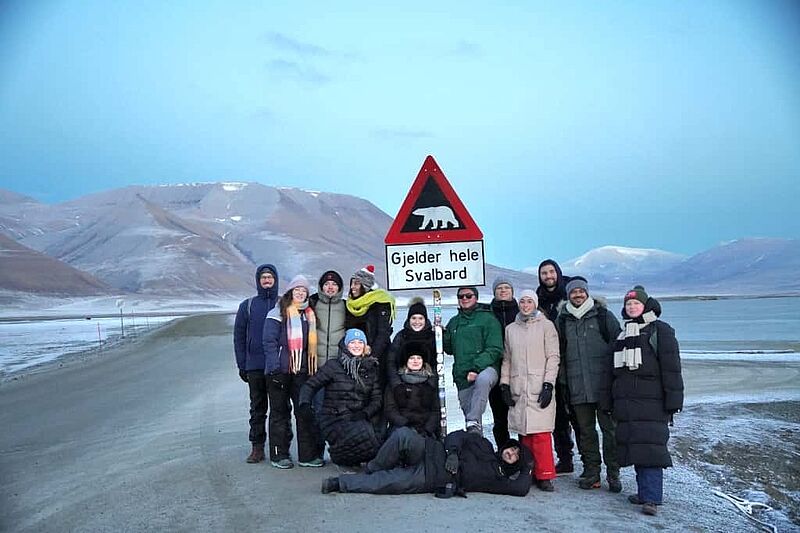
Longyearbyen, founded in 1906, is home to about 2,700 people and serves as the administrative centre of Svalbard. The town began as a coal-mining settlement, and today it has evolved into a centre for research, governance, and tourism. Since 1925, Norway has governed Svalbard under the Svalbard Treaty, which allows people from many countries to live and work there — while keeping the region peaceful and protected.
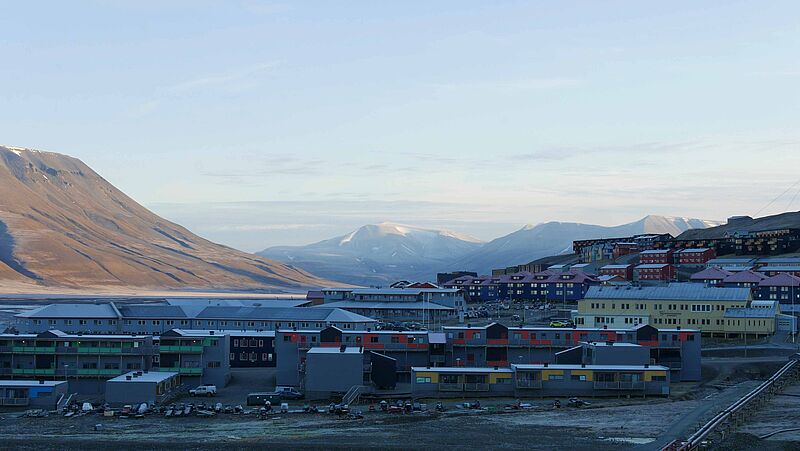
Svalbard Treaty & Environmental Protection
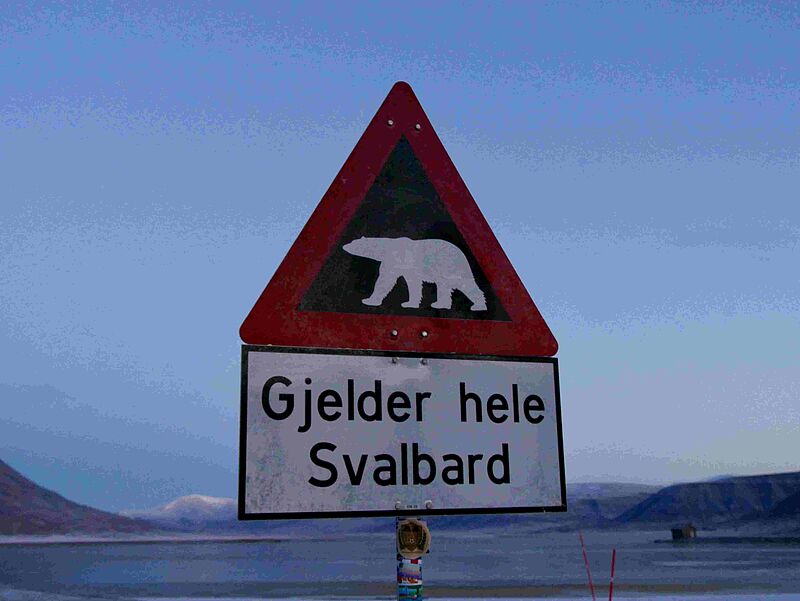
During our visit to the Governor of Svalbard (Sysselmesteren), we learned how carefully this Arctic region is governed. Although Norway holds sovereignty, military activity is restricted, and people from varied countries are allowed to live and work here under the Svalbard Treaty. The main goals are peace, stability, maintaining Norwegian communities, and protecting the wilderness.
We were introduced to the Svalbard Environmental Protection Act (2001–2002), which follows a clear rule: everything is forbidden unless it is specifically allowed. This approach ensures that nature remains as untouched as possible.
Strict regulations protect wildlife and landscapes. People must keep a large distance from polar bears, boats must slow down near walrus and bird cliffs, and all plant life is protected. Historic cabins and graves from before 1945 are also legally protected, and waste must be handled with great care.
With most of Svalbard’s land and surrounding waters protected and with the region warming faster than almost anywhere else on Earth, we clearly understood why responsible tourism is not optional; it is essential.
11 October 2025 — Gruve 3: Coal, History and Human Stories
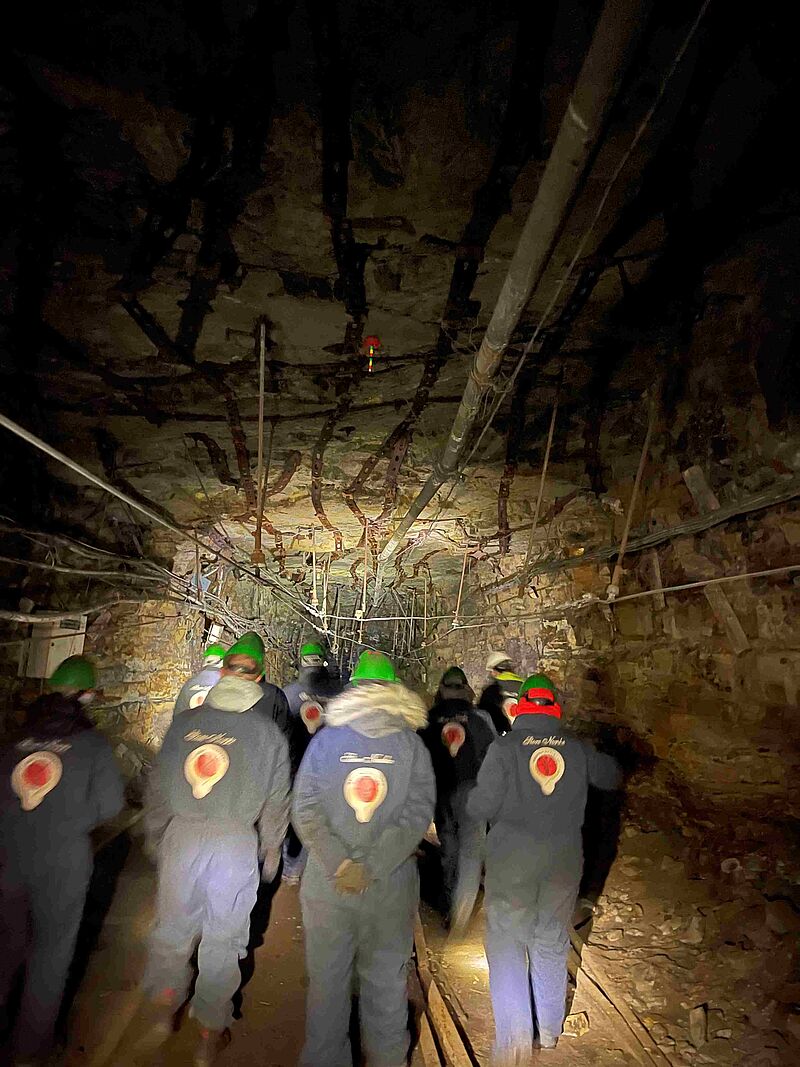
Our visit to Gruve 3, guided by Michael, gave us a powerful insight into Svalbard’s mining past. Coal was discovered in 1901, and in 1906, American entrepreneur John Longyear founded the first mine, giving Longyearbyen its name. Mining later expanded under Norwegian companies and shaped the town’s early life.
We learned that Mine 3 was the last manual mine, while Mine 7 became more modern and machine based. The coal here was of exceptionally high quality, with around 3.7 million tons extracted. Michael explained how coal forms over millions of years, reminding us how deeply time and nature are connected to human industry.
Mining history is also marked by hardship. During World War II, an attack on Longyearbyen caused an underground mine fire that burned for 19 years, forcing miners to evacuate and later rebuild the town. We also learned about rare Pantodont fossil footprints found in Mine 7, as well as mining traditions, helmet colours, and the tragic story of a miner named Jacob.
Standing inside the mine, surrounded by darkness and history, many of us felt a quiet sense of respect and reflection for the people whose hard work laid the foundations of life in the Arctic.



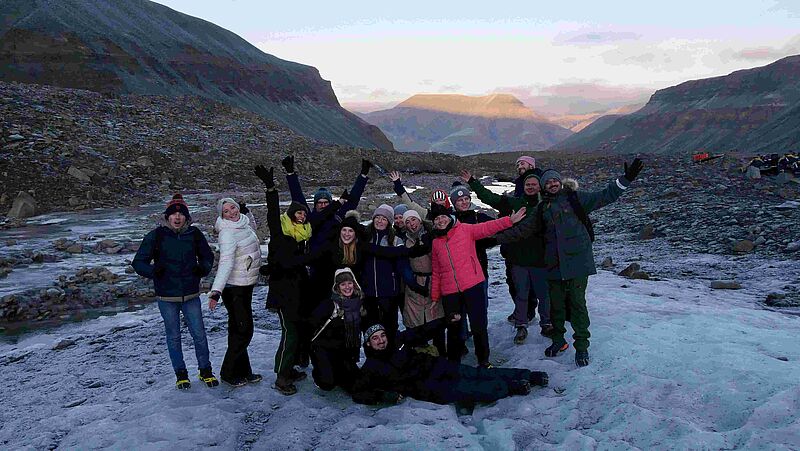
Glacier Hike with Spitsbergen Reisen — Walking on Ice for the First Time
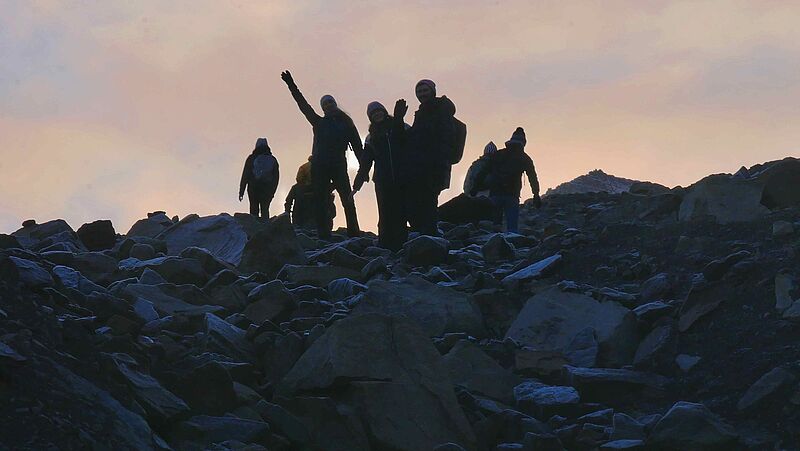
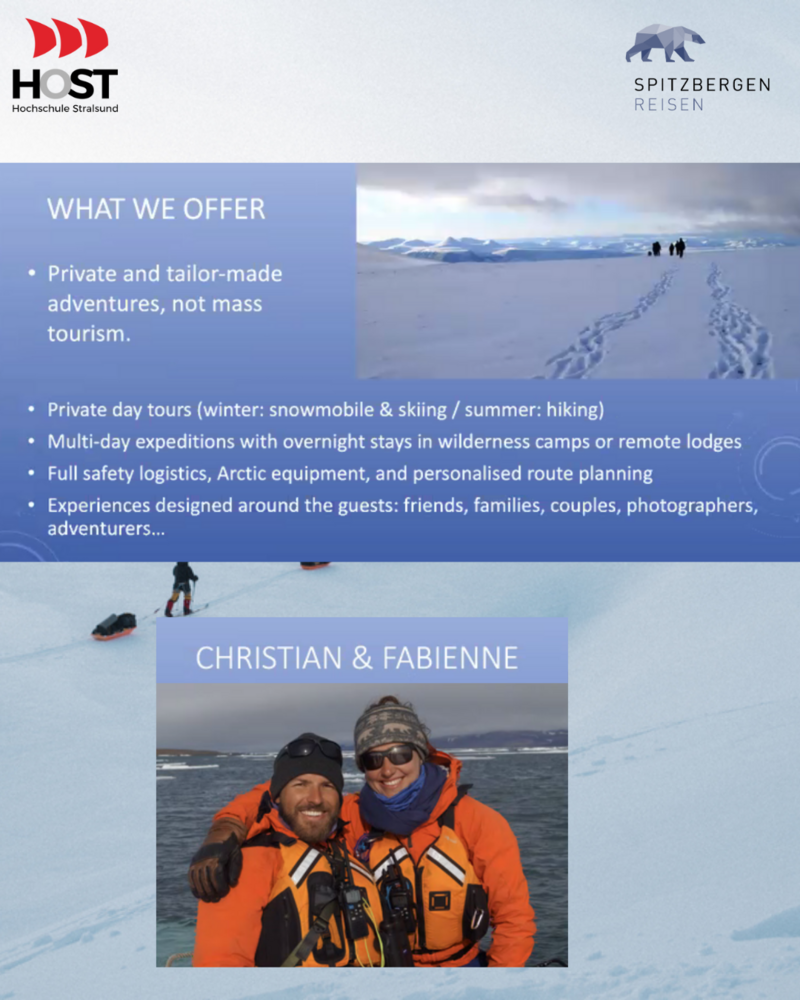
That afternoon, we joined a glacier hike organised by Spitsbergen Reisen, guided by Marie, Tom, and Jan. Their knowledge and experience were evident throughout the trek, as they explained glacier movement, formation of fossils, Arctic weather, safety procedures, and the fragility of this environment.
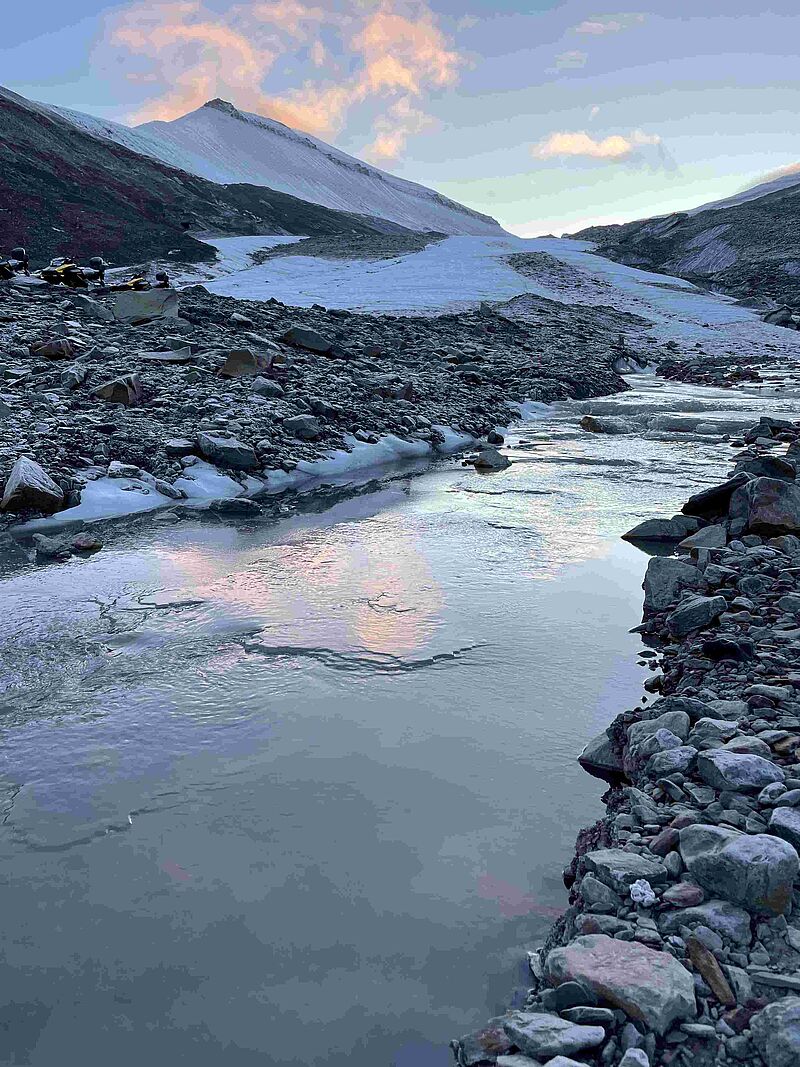
For many of us, it was the first time using crampons and walking on an actual glacier. Standing on ancient ice that has existed for thousands of years felt both humbling and unreal, especially knowing it is now melting rapidly due to climate change.
The guides also explained the extensive training Arctic guides undergo, including rifle handling, as travelling in polar bear zones without a firearm is not permitted. They shared personal stories from remote camping expeditions across Svalbard, giving us insight into the realities of guiding and surviving in extreme Arctic conditions.
By the end of the hike, many of us felt a strong sense of achievement and a renewed respect for nature and those who protect it.
12 October 2025 — Wildlife & Glacier Cruise: A Moment We Will Never Forget
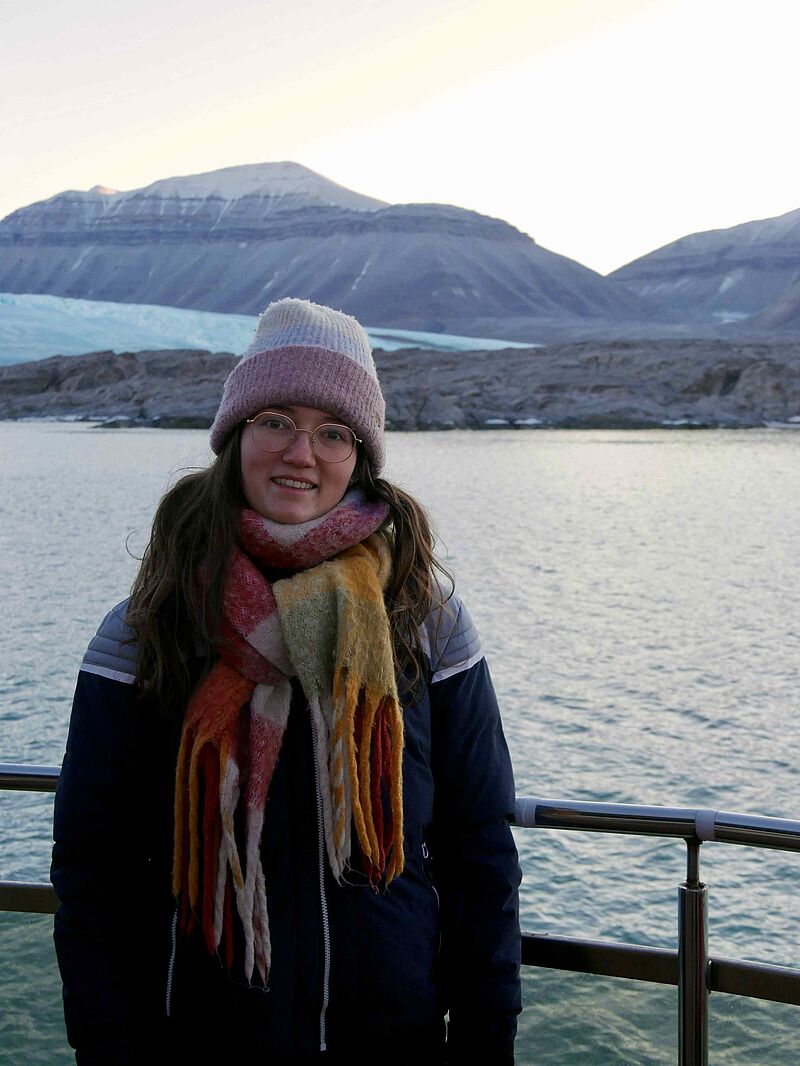
Our wildlife cruise on the hybrid-electric ship M/S Bard became one of the most magical days of the entire trip.
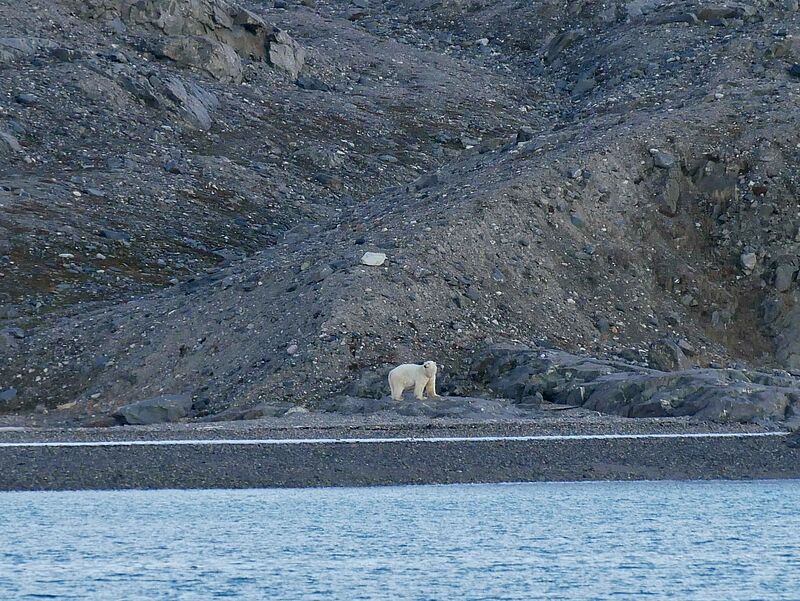
We witnessed a rare polar bear sighting. The bear stood on the beach with a glacier behind it, climbed up a slope, and then walked into the water for a swim. It was the first time many of us had ever seen a polar bear in the wild. The entire ship fell silent — everyone simply watching in awe. Even for the crew this was a rare and special moment.
Later, on our way back, we saw a school of dolphins, their splashes glowing gold in the sunlight. It felt like a scene from a documentary — peaceful, powerful, and unforgettable. We also learned about whale species in the Arctic and their migration routes, deepening our understanding of Arctic marine life and responsible wildlife tourism.
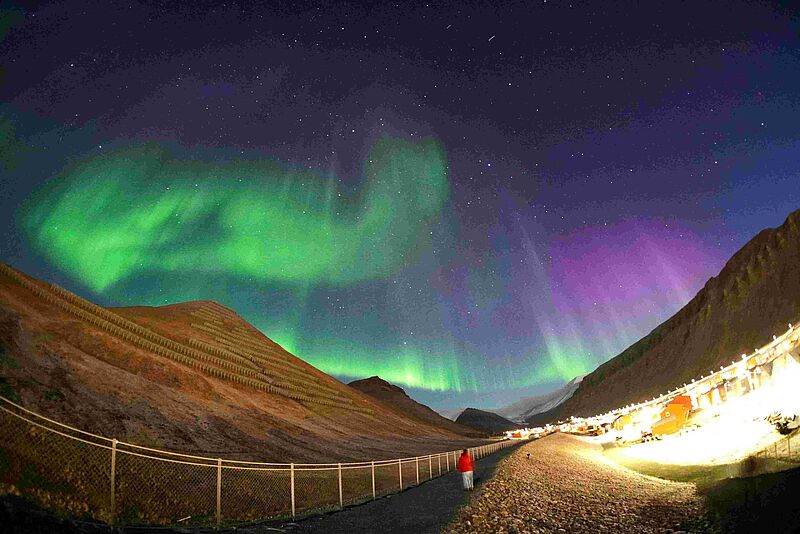
In the evening, northern lights illuminated the sky above Longyearbean—what an impressive end to this incredible day.
13 October 2025 — Learning from UNIS, Visit Svalbard & the Museum
At UNIS (University Centre in Svalbard), we were introduced into their curriculum and what it truly means to guide people in the Arctic — not just leading tours, but sharing stories, ensuring safety, and helping visitors connect with nature responsibly.
Visit Svalbard: Tourism at Its Limits
That was followed by our meeting with Visit Svalbard which gave us a very honest and realistic picture of what tourism looks like in one of the world’s most sensitive destinations. The discussion focused not on growth, but on limits, responsibility, and long-term thinking.
Tourism in Svalbard is divided into three main segments: short cruise visits, expedition cruises, and land-based company tours. While cruise ships bring large numbers of visitors in a short time, authorities are increasingly questioning whether this form of tourism truly benefits the destination. Expedition cruises, with fewer passengers and stricter rules, are considered more compatible with Svalbard’s fragile environment.
A key message was that Longyearbyen cannot grow endlessly. Since 2018, no new hotels or major infrastructure have been allowed, and capacity is strictly controlled. Instead of increasing visitor numbers, the focus is on quality over quantity — encouraging visitors to stay longer, learn more, and behave responsibly. This approach also helps protect local life, as housing is already scarce and the cost of living is high.
Responsible marketing was another important topic. Visit Svalbard emphasized that visitors should never be promised close encounters with polar bears or dramatic experiences. Managing expectations and promoting respect for distance, safety, and nature is essential.
Tourism also plays an important role in supporting the local community. There is a strong focus on creating year-round jobs, not just seasonal work, showing how tourism — when managed carefully, can benefit Arctic communities without damaging the environment that makes them unique.
Svalbard Museum: A Brief Look into the Past
At the Svalbard Museum, we gained a clear understanding of how human activity has shaped this remote Arctic region. We learned that Spitsbergen was discovered in 1596 and later became a centre for whaling, which nearly drove species such as the bowhead whale to extinction.
Learning that polar bears were only fully protected in 1973 helped us understand why today’s strict rules exist. The museum showed us that protecting Svalbard is not just about the future but it is also about learning from the past.
14 October 2025 — Back to Oslo
Returning to Oslo after days of Arctic silence felt like stepping back into a busy world. The contrast between the quiet north and city life gave us time to reflect on everything we had experienced.

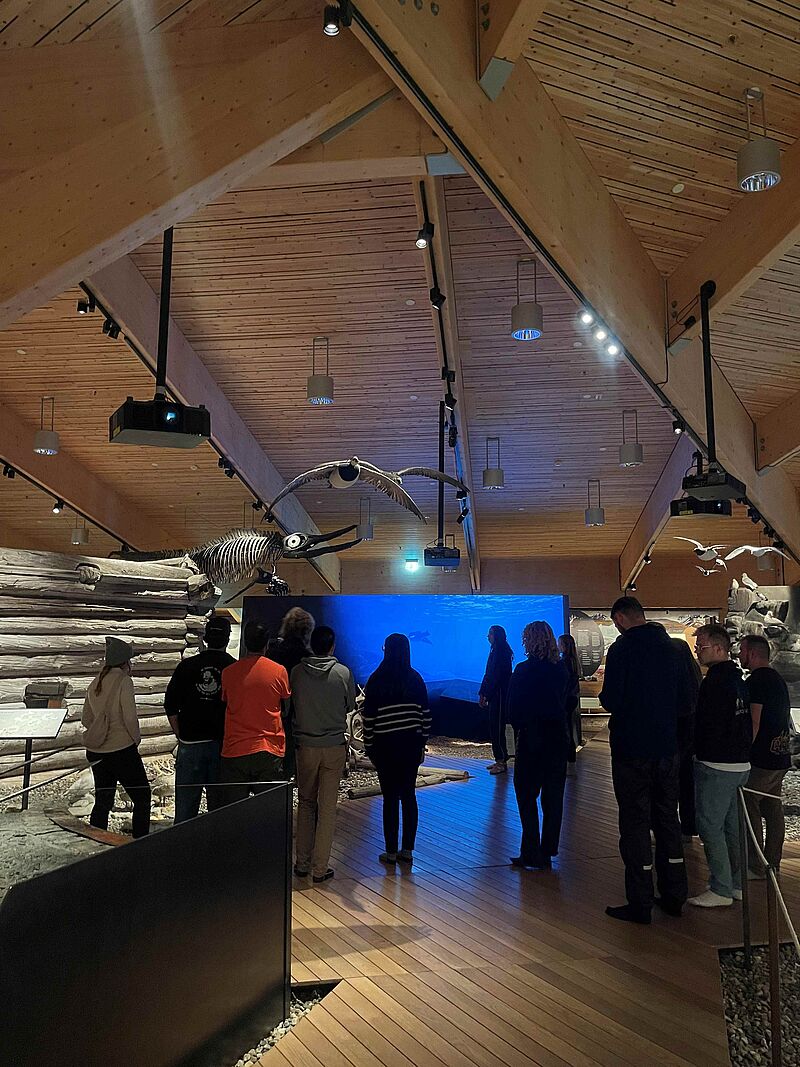

15 October 2025 — A day filled with appointments.
Climate, Tourism and Community in Oslo
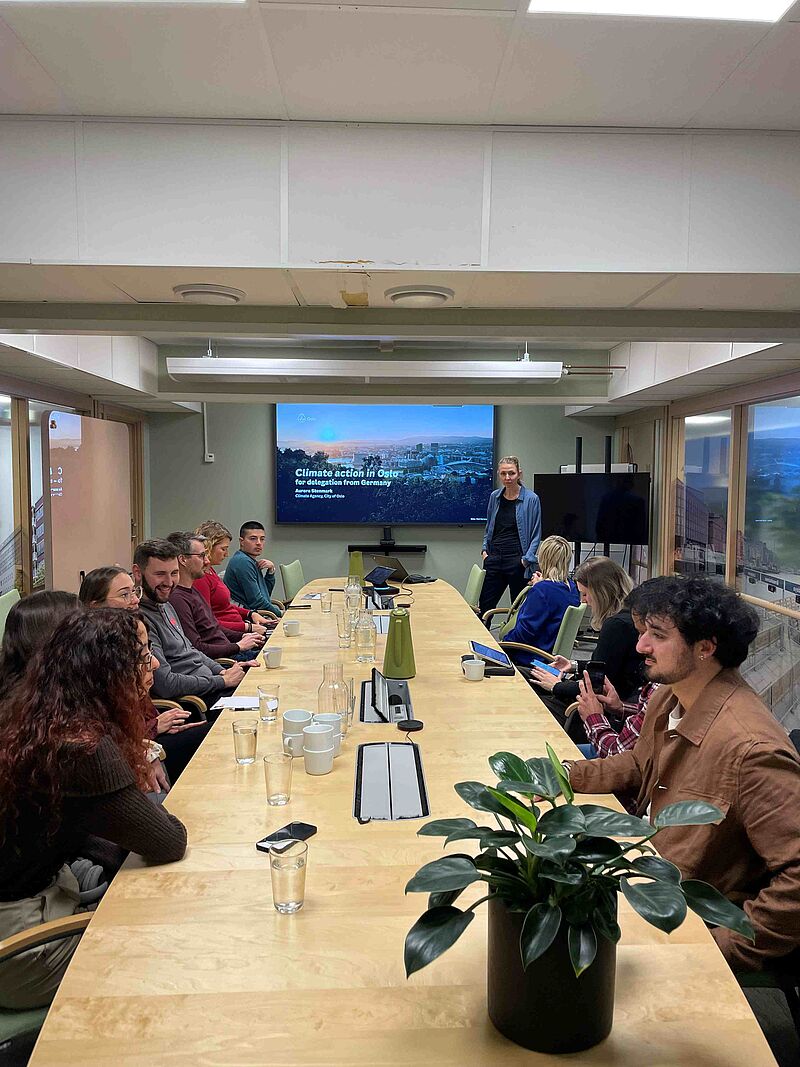
At the Oslo Climate Agency, we learned why the city is often described as a leader in climate action. Oslo aims to reduce its direct greenhouse gas emissions by 95% by 2030, focusing strongly on transport, energy use, and urban design. A key tool is the Climate Budget, which is integrated into the city’s financial planning and requires regular reporting on progress.
Transport plays a major role in Oslo’s strategy. Most new cars sold are electric, public transport and ferries run on electricity, and cycling infrastructure continues to expand. Despite population growth, car traffic has remained largely stable. What stood out most was how climate measures are designed to improve everyday life — fewer cars, less noise, cleaner air, and more public spaces — encouraging people to spend more time in the city rather than leaving it.
At the German–Norwegian Chamber of Commerce, we were introduced to Norway’s blue economy, which includes industries linked to the ocean such as fisheries, aquaculture, shipping, and marine tourism. This sector accounts for around 25% of Norway’s total value creation, making it both economically important and environmentally sensitive. The discussion focused on seafood exports, environmental pressures in the Oslo Fjord, and current tourism trends, particularly the growth of cruise tourism and also campervan travel.
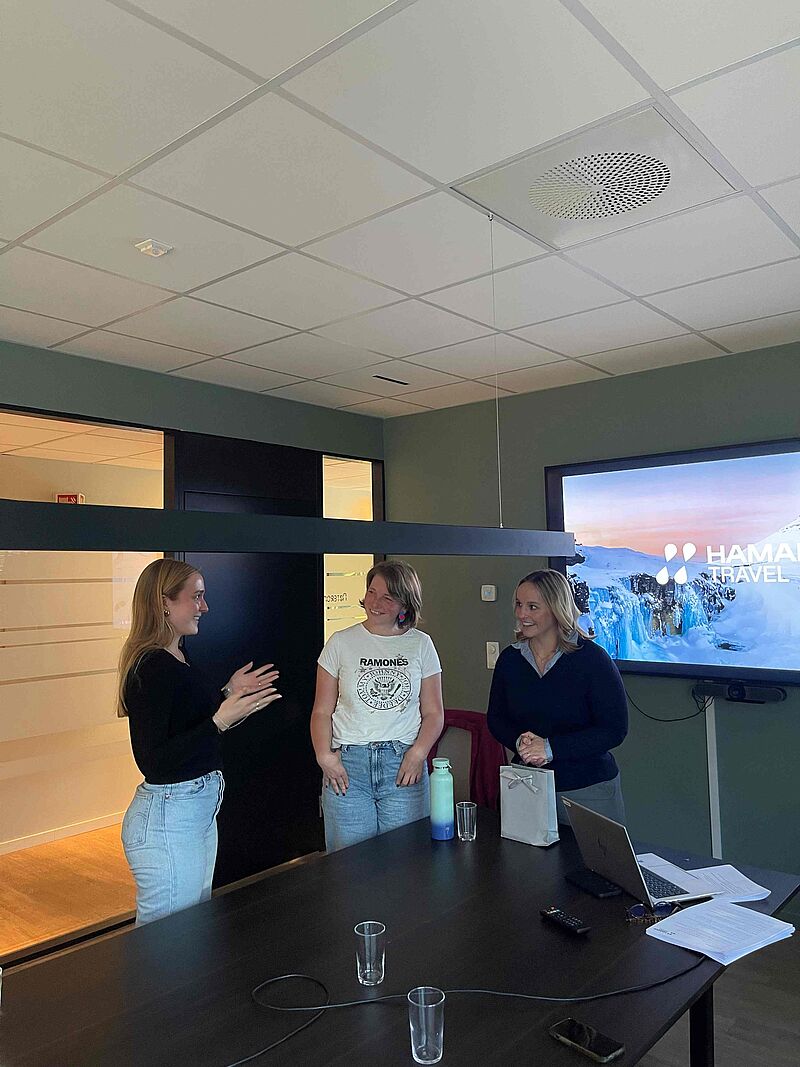
At Haman Travel, we explored how meaningful travel experiences are designed with care, local knowledge, and sustainability in mind. We also discussed the trend of “coolcations,” where travellers seek cooler climates and quieter nature experiences.
We ended the day at KFUM Football Club, learning how sports, youth programmes, and community spaces can strengthen local life and how it is interrelated with tourism. We are grateful that Teresa, a graduate of HOST, shared her experiences with us. She has been living in Norway for many years now.
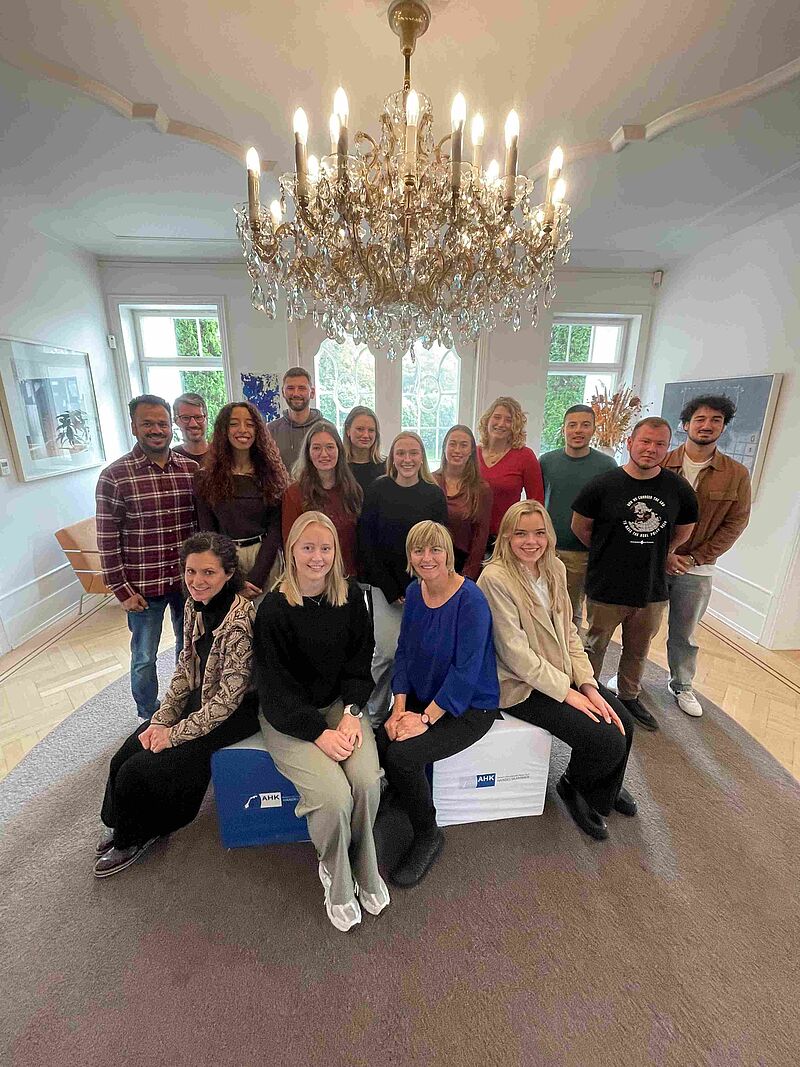
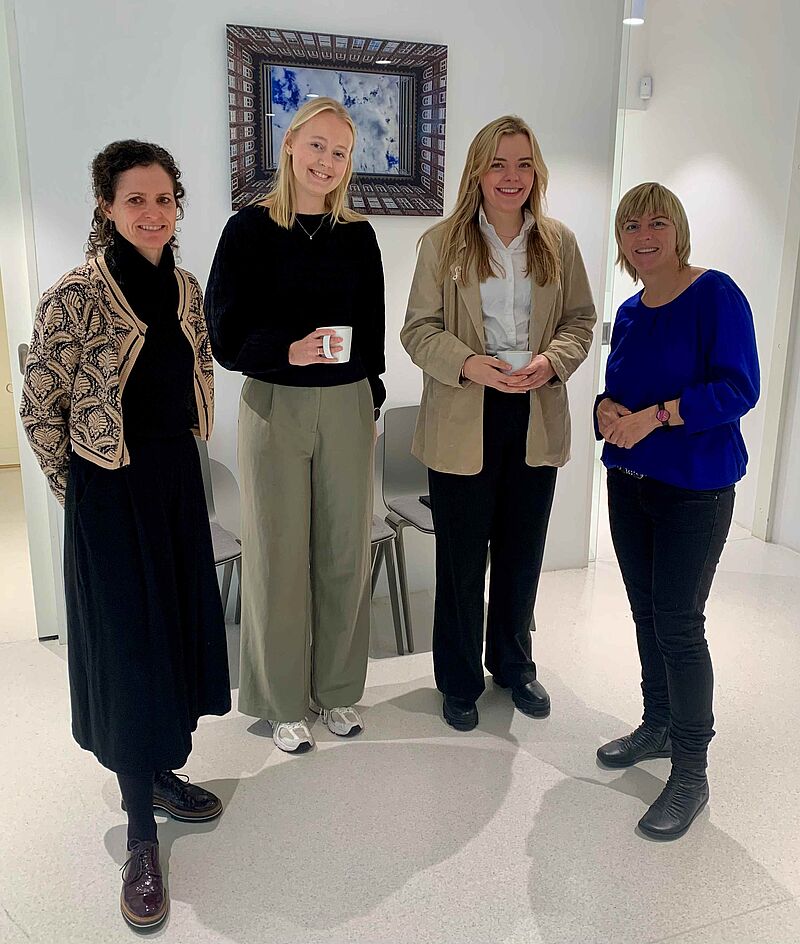
16 October 2025 — Returning Home
We flew back to Berlin carrying new knowledge, deeper friendships, and a changed perspective on tourism, climate responsibility, and fragile destinations.
What This Experience Meant to Us
This excursion taught us that tourism is not just about visiting places — it is about respect, responsibility, and awareness.
We saw how fast the Arctic is changing, how strict protection can preserve nature, and how cities like Oslo are working toward a better future. From walking on a glacier, to watching a polar bear swim beneath a glacier, to hearing stories from Arctic guides and local communities — this journey deeply shaped how we understand tourism.
It reminded us that the most powerful travel experiences are the ones that teach us to care more — about nature, people, and the future.
This trip will remain one of the most meaningful chapters of our time in the Tourism Development Strategies programme at Hochschule Stralsund — and we hope it inspires future students to continue learning where responsible tourism truly begins.
Anuj,
TDS student 1st semester


Exkursionen sind ein fester Bestandteil unseres Master-Studiengangs Tourism Development Strategies. Die Philosophie dahinter ist eine stetige und nachhaltige Verzahnung von Theorie und Praxis. Aber nicht nur eine Verbesserung der Fachkompetenz und Angebote zur Förderung des Netzwerkes unserer Studierenden werden mit einer Studienreise angestrebt, ebenso ist es eine Erweiterung des eigenen Horizontes, da oftmals Begegnungen mit ganz anderen Kulturkreisen erlebt werden.
Die stetige Interaktion mit etwa 20 Studierenden über einen Zeitraum von 10 Tagen fördert die Teamfähigkeit aller Teilnehmer. Weiterhin werden kommunikative, soziale Kompetenzen und nicht zuletzt die eigene Persönlichkeit gestärkt.
Erfahren Sie hier mehr über den Master-Studiengang Tourism Development Strategies an der Hochschule Stralsund.