
Greece - Apollo Green Solutions

Experience Report
Sajjad A., M.Eng. Renewable Energy and E-Mobility, Apollo Green Solutions, Athens, Greece
From early on in my Master's studies in Renewable Energy and E-Mobility at Stralsund University of Applied Sciences, building on my Bachelor's in Electrical Engineering, I wanted to see how the energy systems I was studying on paper could be built and deployed in the field. IoT-based energy management felt like the right area to explore, and Greece, with its growing renewable energy sector and Mediterranean way of life, seemed like an ideal place to combine technical growth with a new cultural experience. The application process took around six months from the initial search to the final arrangements. I would strongly recommend that future students start looking and applying as early as possible, because starting six months ahead gives enough time to complete both the company application process and the Erasmus+ application and funding arrangements.
My internship company
I completed my internship at Apollo Green Solutions Hellas, based in the Monastiraki district of Athens. The company was founded in January 2023 by Rafail Kasapis, with operations spanning both Germany and Greece. It started out as a PV installation business before pivoting into a consultancy and software house that helps medium and large enterprises implement energy-saving solutions, not just through software, but through the hardware that accompanies it. Being hardware-agnostic is a point of pride for the company: rather than locking clients into a proprietary ecosystem, they build edge devices and gateways that integrate with whatever meters, PV inverters, batteries, or machinery a client already has, using protocols like Modbus, MQTT, LoRaWAN, and BACnet.
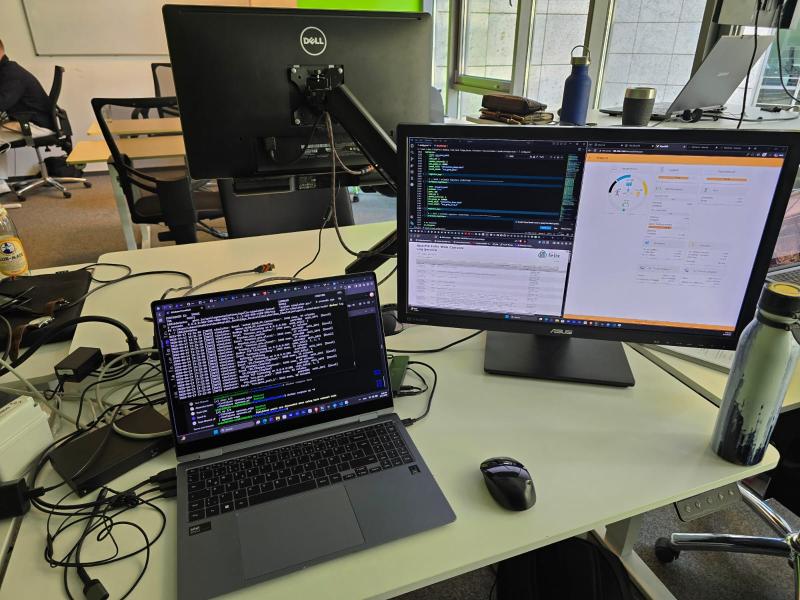
As a small team, the company gave me a level of trust and responsibility I hadn't expected as an intern. I researched and evaluated industrial IoT controllers, configured an edge EMS platform running OpenEMS, wrote Python-based Modbus scripts to pull live data from PV inverters, battery storage systems, EV chargers, and grid meters, and helped implement secure cloud connectivity for remote monitoring. I was also involved in troubleshooting, which meant I got to see the hardware side of the business, not just the code. This was very much in line with Apollo's own philosophy of pairing the 'energy' of the hardware with the 'foresight' of the data and software layered on top of it. Everything I built fed directly into the company's real product development, and I always felt like a genuine part of the team.
Organizational matters
I submitted my Erasmus+ grant application well in advance, which made the preparation process much easier. For accommodation, I'd recommend sticking to well-known platforms and, where possible, speaking directly with the landlord before committing. Athens has plenty of good, affordable options, especially slightly outside the very centre, and being close to a metro line makes a real difference for the daily commute.
Everyday life in Athens
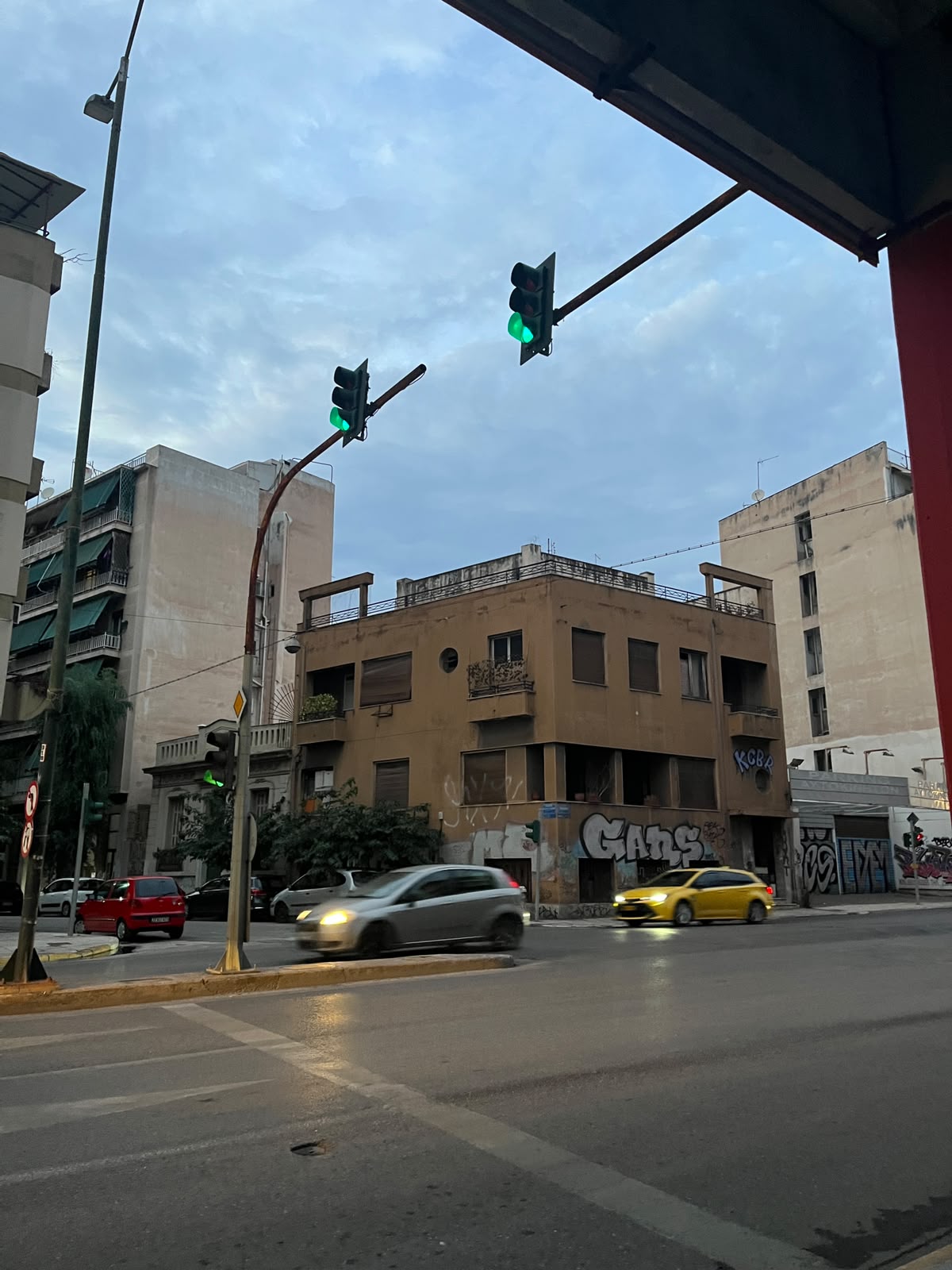
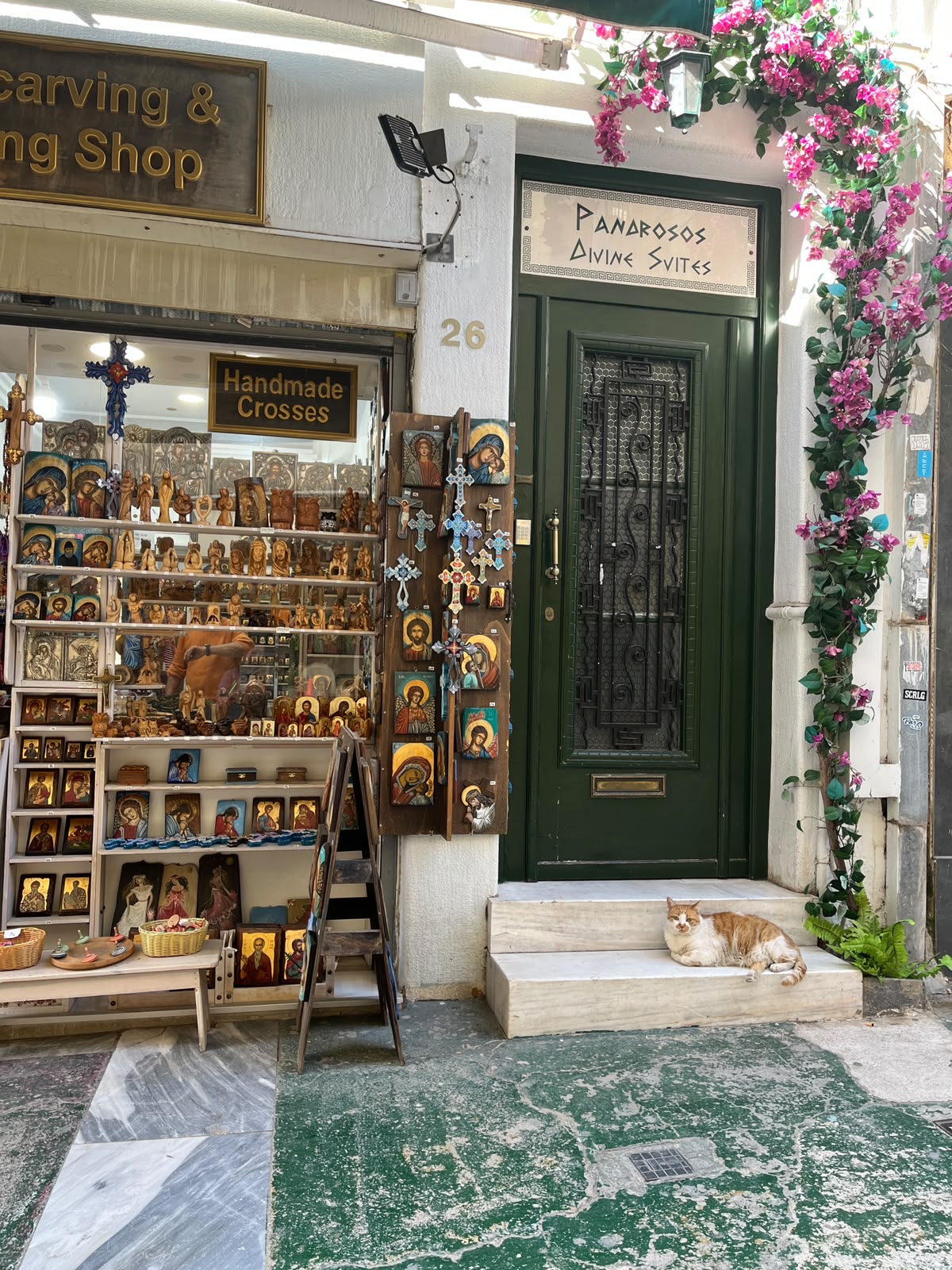
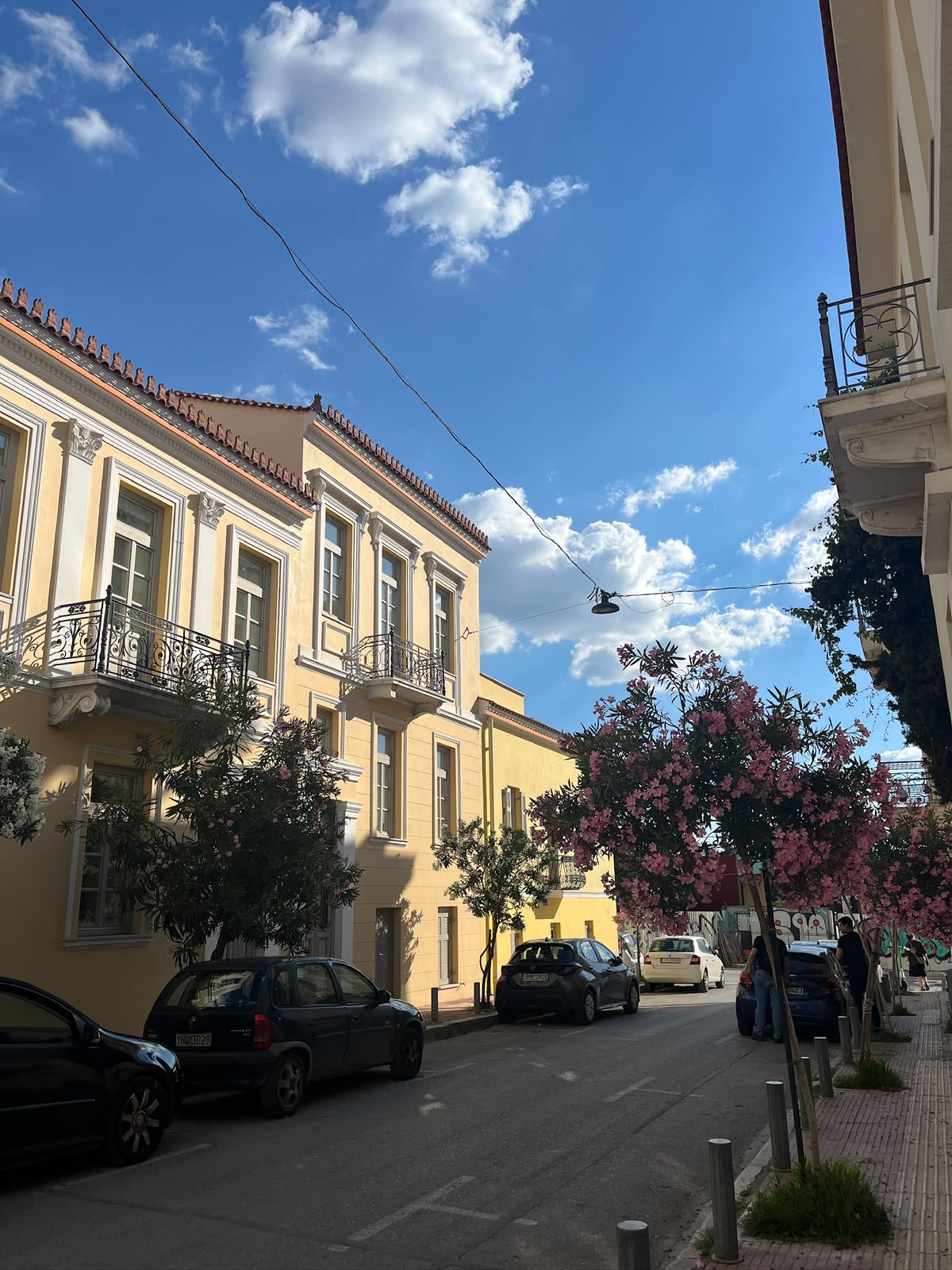
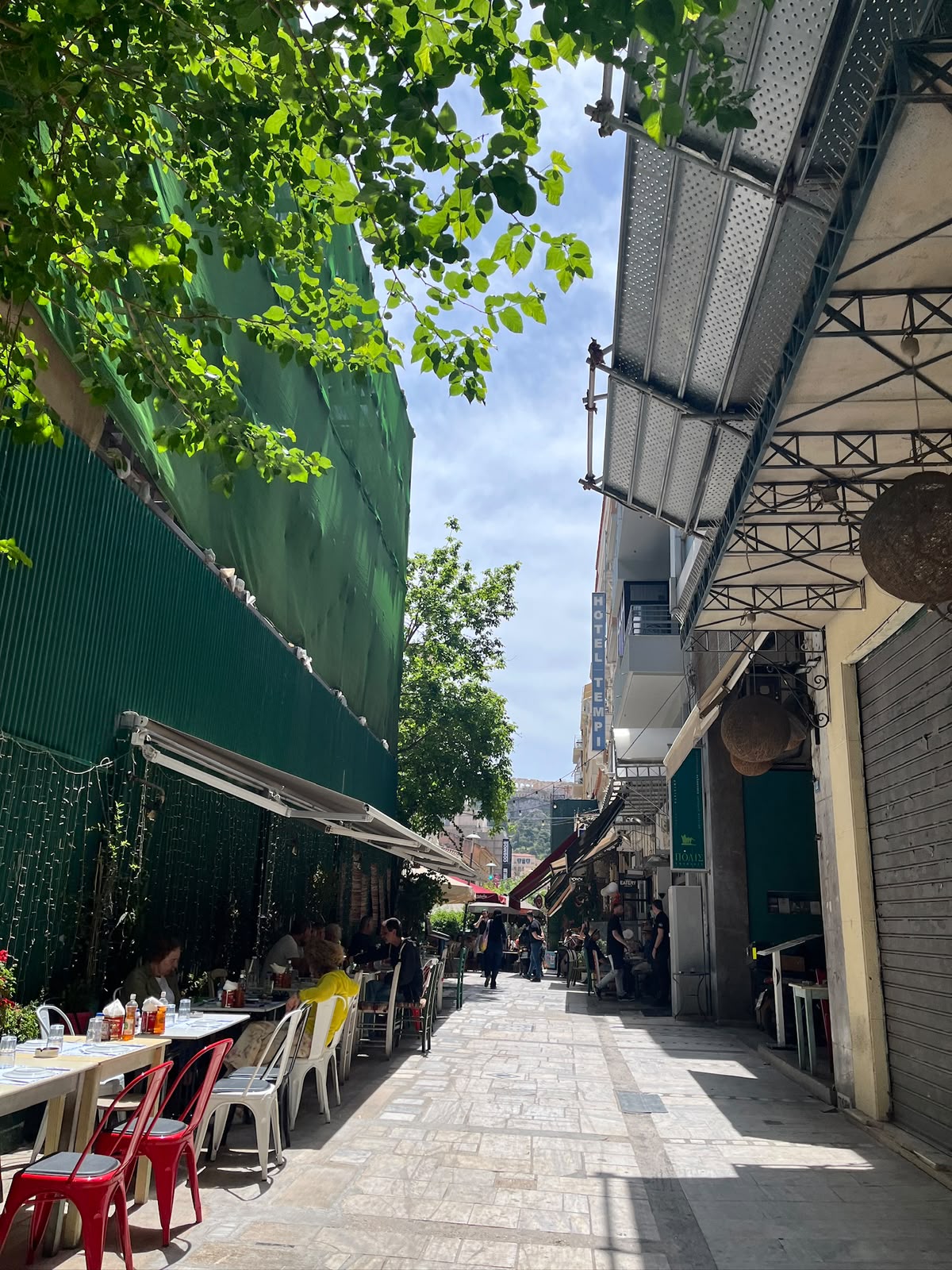
Athens is a city that combines ancient history with a modern, fast-growing technology and energy scene. The public transport system, including the metro, tram, and bus, is reliable and easy to use once you become familiar with it. The city is also very walkable, and I often explored different neighbourhoods on foot after work. Greek hospitality is something I really appreciated during my stay. People were friendly and generous with their time, and meals were often relaxed and social. On weekends, the combination of archaeological sites, the coastline, and easy ferry connections to the islands meant there was always something new to explore.
Language and Culture
One thing I hadn't fully expected was how widely English was spoken in daily life. At the office, English was the natural working language, and outside of work I found that I could communicate comfortably in English in most everyday situations. I also learned a few simple Greek phrases during my stay, such as “Kaliméra” (good morning), “Efcharistó” (thank you), “Parakaló” (please/you’re welcome), and “Yia sou” (hello). Using these small phrases was always appreciated and helped me feel more connected to the local culture. Greek culture struck me as warm, generous, and unhurried. Meals were often relaxed and social, and small talk felt genuine rather than simply a formality. I also noticed a strong sense of community, which made it easy to feel included rather than like an outside visitor.
Infrastructure and Getting Around
Getting around Athens turned out to be far easier than I expected before arriving. The metro, tram, and bus network covers the city well, and a single travel card was enough to move between the office, my accommodation, and the various neighbourhoods I explored on weekends. Internet connectivity, both at the office and at home, was strong, which mattered given how much of my work involved remote monitoring and cloud connectivity. The city's compact layout also meant I could often walk to nearby cafes, parks, or archaeological sites without needing any transport at all.
Tips & Tricks
I submitted my Erasmus+ grant application to the International Office more than six months in advance, which was very helpful. It is important to keep an eye on deadlines and take care of everything early, especially if you are doing an unpaid internship and rely on Erasmus funding. I also recommend planning your accommodation well in advance, as finding affordable housing in Athens can be challenging.
When looking for accommodation in Athens, I recommend using reliable and official platforms and being careful with online listings, as scams do occur. I stayed in a shared apartment, which was a convenient and affordable option during my Erasmus stay. It is a good idea to contact landlords or agencies in advance, clearly discuss the rental conditions, and confirm all costs before making any payment.
I would also recommend looking beyond the city centre, as neighbourhoods further from the centre can offer better prices while still having good public transport connections. Athens has an extensive metro and bus network, so living slightly outside the centre can be a good option if you want to save money.
Conclusion
Looking back, this internship wasn't just a line to add to my CV; it was where I finally saw the theory from my degree turn into working systems that a real company depends on. Being trusted with real hardware and real client data from early on gave me a much clearer sense of what working in the energy sector looks like day to day, far beyond what any lecture or lab exercise could offer. It also pushed me outside my comfort zone in a good way: a new country, a new culture, and a new way of working. I'd recommend anyone considering a technical internship abroad to be deliberate about what they want to learn going in, and to consider a smaller company if possible, because the access and responsibility can be hard to match. I can genuinely recommend both Athens and Apollo Green Solutions to future students.