
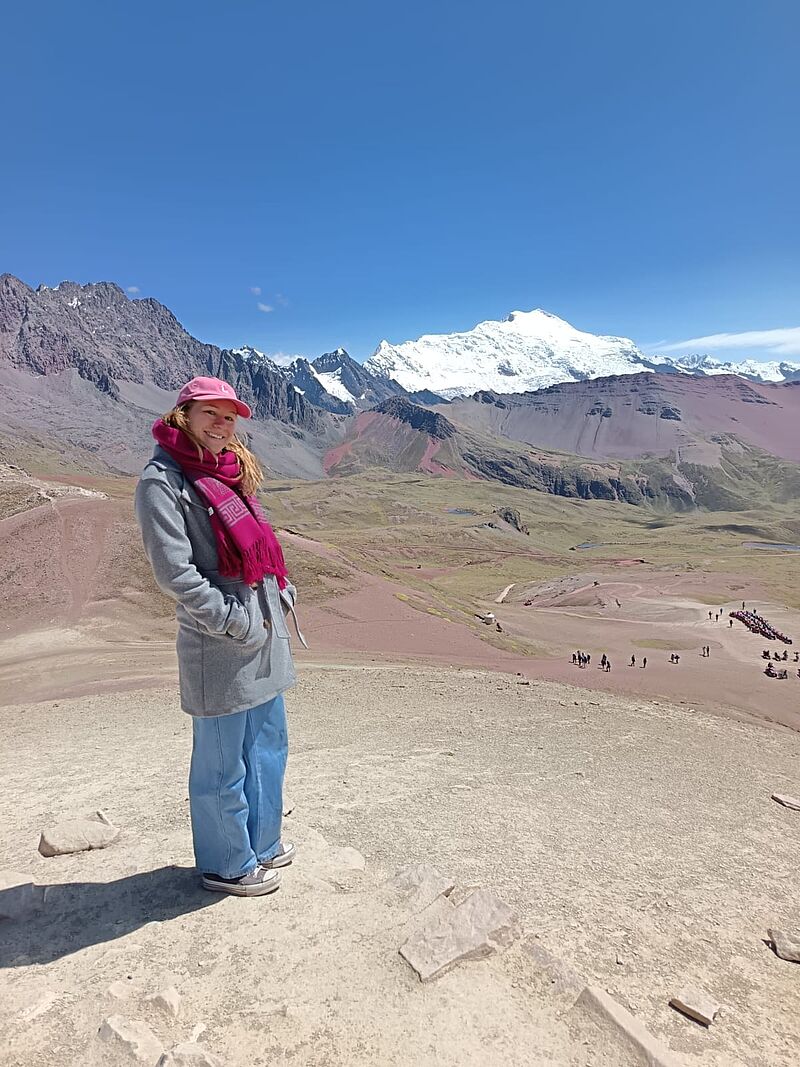
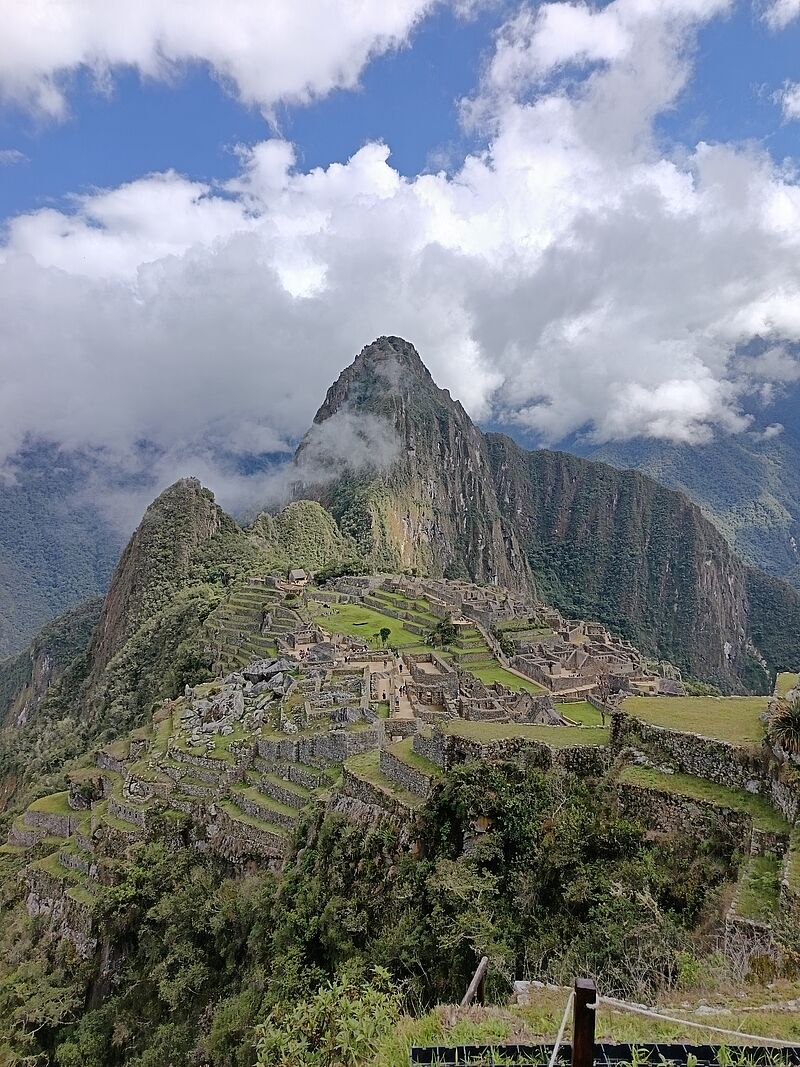
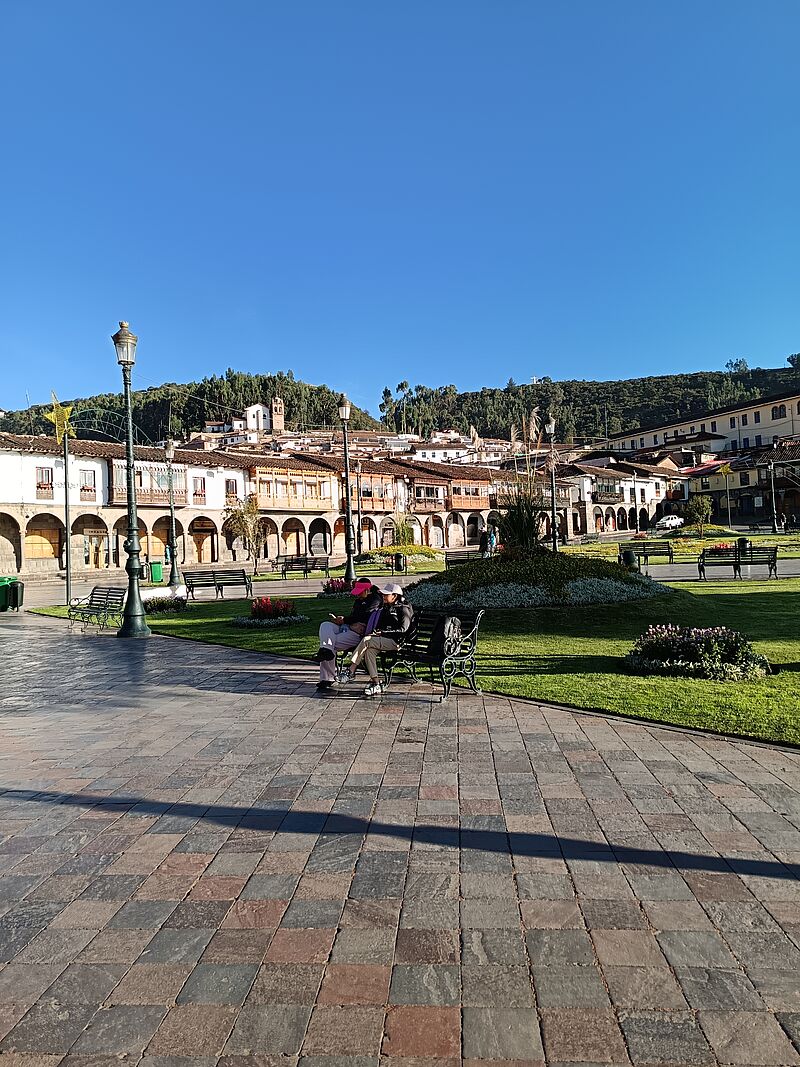
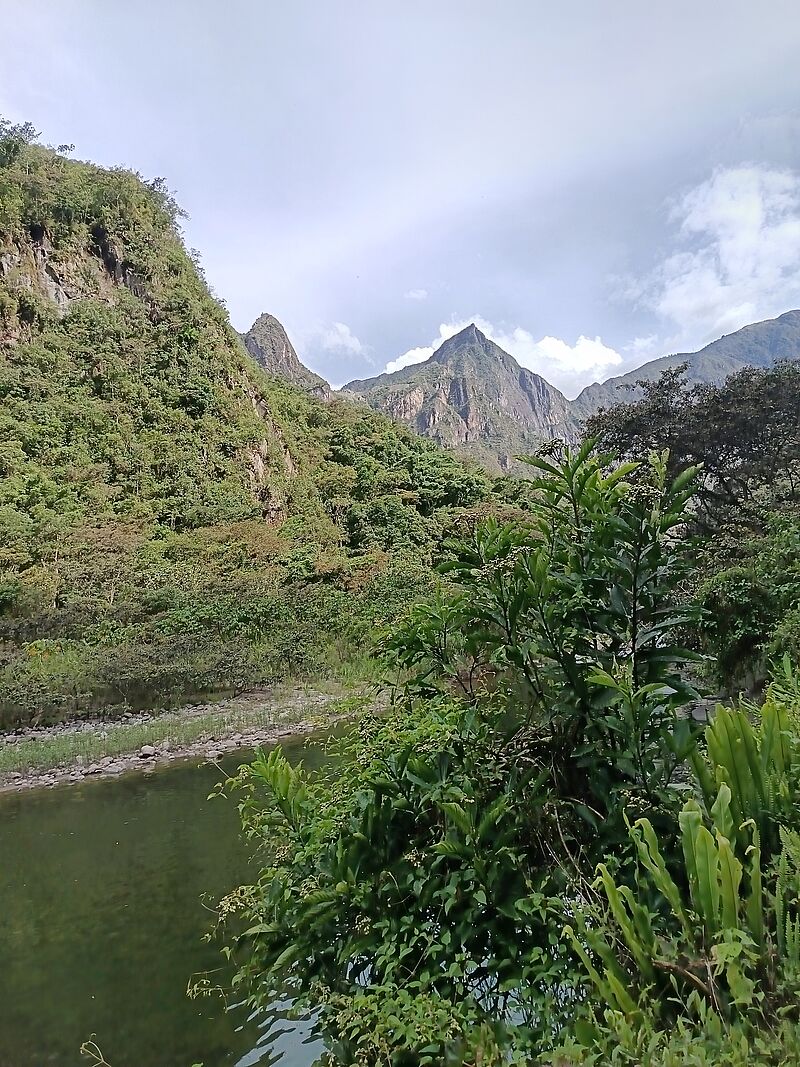
Wir feiern die Diversität und freuen uns daher über 370 internationale Studierende aus 49 Nationen, die an der Hochschule Stralsund studieren. Sie machen 21 Prozent der Studierenden aus – ein Zeugnis der internationalen Ausrichtung der HOST. In dieser Kategorie stellen wir jeden Monat einen International vor – ob aus Südasien, Nordafrika oder Lateinamerika. Warum haben sie sich für Stralsund entschieden? Was sind ihre Tipps für andere Internationals und wofür feiern sie ihren Studiengang? Aber International Mobility funktioniert auch andersherum: Was suchen und finden unsere Outgoing-Studierenden von der HOST? – Hier verraten sie es.
At Stralsund University of Applied Sciences, we celebrate diversity, so we are delighted to welcome 370 international students from 49 countries. They account for 21 per cent of the student body, which is a testament to the university's international orientation. Each month, we introduce one international student, whether from South Asia, North Africa or Latin America. Why did they choose Stralsund? What advice would they give to other international students, and what do they love about their degree programme? But international mobility also works the other way around: What are our outgoing students from HOST looking for – and what do they find? Read on to find out.
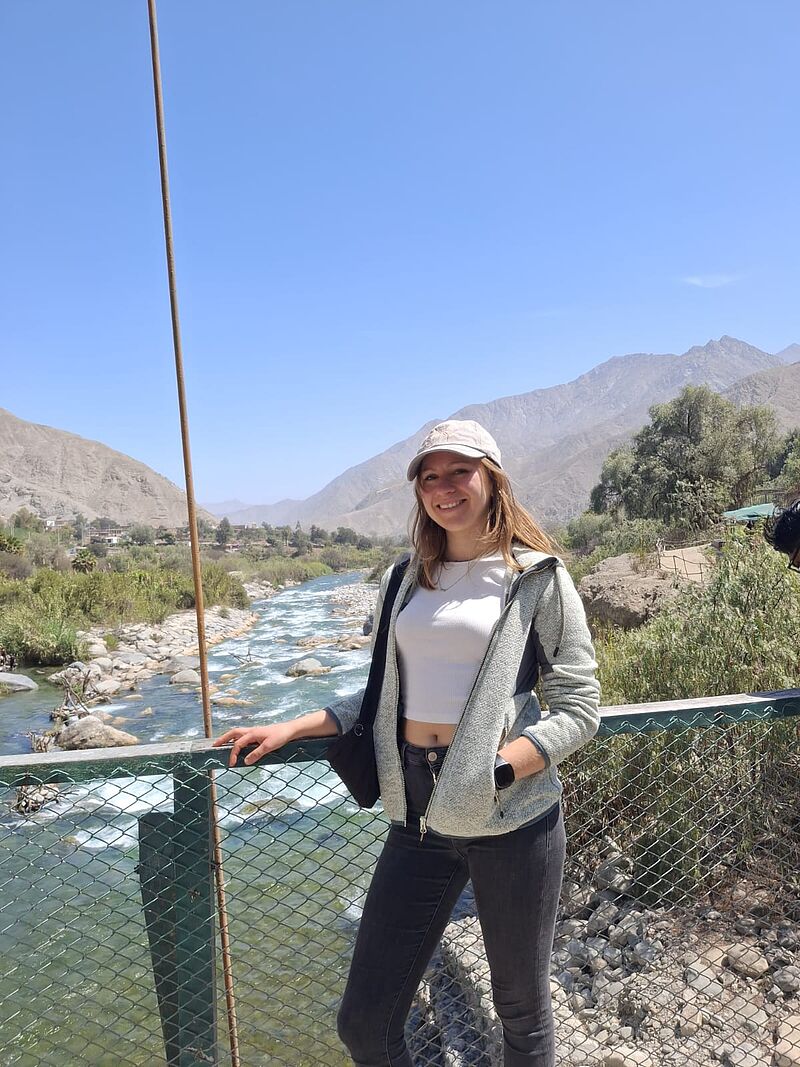
Dieses Mal: Carina, 23, Leisure and Tourism Management (HOST), 6. Semester, Lima/Peru an der USIL und Guadeloupe/Frankreich an der Université des Antilles (Outgoing)
This Time:
Carina, 23, Leisure and Tourism Management (HOST), 6th semester, studying in Lima, Peru, at USIL and in Guadeloupe, France, at the Université des Antilles (Outgoing)
Was hat dich motiviert, ins Ausland zu gehen?
Mich hat besonders motiviert, meine Sprachkenntnisse zu verbessern und die Kultur kennenzulernen. Ich wollte bereits seit einiger Zeit nach Südamerika, weil ich sowohl über Social Media als auch über Erzählungen bereits ein paar sehr schöne und positive erste Eindrücke hatte und wusste, dass sowohl die Landschaft als auch die Geschichte sehr vielseitig sind.
What motivated you to go abroad?
I was particularly motivated by the chance to improve my language skills and get to know the culture. I’d wanted to go to South America for some time, as I’d already gained some very lovely and positive first impressions from both social media and stories I’d heard, and I knew that both the landscape and the history are incredibly diverse.
Wie hast du deine Gasthochschule ausgewählt?
Ich habe mich bei der Auswahl vor allem nach dem Spanischniveau und dem Startzeitraum des Semesters gerichtet. Da in Kolumbien das Wintersemester sehr früh losgeht, in Chile ein B2-Zertifikat in Spanisch gefordert wird und mir die Landschaft und Kultur in Peru sehr interessant und divers erschien, habe ich mich für die Partneruni in Lima entschieden.
How did you choose your host university?
When making my choice, I focused primarily on the level of Spanish required and the start date of the semester. As the winter semester starts very early in Colombia, a B2 certificate in Spanish is required in Chile, and the landscape and culture in Peru seemed very interesting and diverse to me, I decided on the partner university in Lima.
Welche Erwartungen oder Hoffnungen hattest du vor der Abreise?
Ich hatte relativ wenige Erwartungen. Ich gehe meistens mit der Einstellung an eine Reise heran, dass je weniger man erwartet, man umso mehr überrascht werden kann. Ich habe mich wenig informiert im Voraus, hatte jedoch drei Wünsche: Spanisch fließend sprechen lernen, mich gut mit meiner Gastfamilie verstehen und über sie sowie über Kommiliton*innen Peru kennenlernen.
What expectations or hopes did you have before you left?
I didn’t have many expectations. I usually approach a trip with the mindset that the less you expect, the more you’re likely to be surprised. I didn’t do much research beforehand, but I did have three wishes: to learn to speak Spanish fluently, to get on well with my host family, and to get to know Peru through them and my fellow students.
Wie hast du dich auf den Auslandsaufenthalt vorbereitet?
Ich habe mich eher wenig auf meinen Auslandsaufenthalt vorbereitet. Die USIL hat uns durch alle nötigen Schritte, wie z.B. die Bewerbung an der Uni selber, den Visaerhalt und die Wohnungssuche durchgeführt und war immer für Fragen zu erreichen. Daher habe ich all diese Sachen zwar selber vorbereitet, aber mit deren Anleitung und Hilfe. Sie haben schnell geantwortet und hatten ständig eine Lösung parat. Ansonsten habe ich kurz vor der Ausreise angefangen, Serien auf Spanisch zu gucken, um bereits ein bisschen in die Sprache reinzukommen. Ein B1-Niveau sollte man allerdings vorher trotzdem haben.
How did you prepare for your time abroad?
I didn’t really do much to prepare for my time abroad. USIL guided us through all the necessary steps, such as applying to the university itself, obtaining a visa and finding accommodation, and were always available to answer any questions. So, although I sorted all these things out myself, I did so with their guidance and help. They replied quickly and always had a solution ready. Apart from that, shortly before I left, I started watching TV series in Spanish to get a bit of a feel for the language. You should still have a B1 level beforehand, though.
Welche Herausforderungen gab es und welche Unterstützung?
Zwei große Herausforderungen für mich waren der Verkehr und die Größe der Stadt. Allerdings gewöhnt man sich mit der Zeit an beides und die Freundschaften und Gewohnheiten, die man vor Ort schließt bzw. einführt, helfen sehr im Eingewöhnungsprozess. Eine weitere Herausforderung war außerdem, Fleisch zu essen, da eine vegetarische Ernährung sehr selten ist in Peru. Dies zu akzeptieren, haben mir Gespräche mit Freund*innen aus meiner Heimat erleichtert.
What challenges did you face, and what support was available?
Two major challenges for me were the traffic and the size of the city. However, you get used to both over time, and the friendships you form and the habits you adopt locally really help with the settling-in process. Another challenge was eating meat, as a vegetarian diet is very rare in Peru. Talking to friends back home made it easier for me to accept this.
Was hast du im Ausland gemacht (Studium, Praktikum, Forschungsaufenthalt, …)?
Ich habe mein Pflichtauslandssemester im Rahmen meines LTM-Studiums an der USIL gemacht und mache derzeit ein zweites freiwilliges Semester an der Université des Antilles auf Guadeloupe, ebenfalls mit dem Ziel mein Französisch zu verbessern und Kontakt zu Kommiliton*innen vor Ort zu knüpfen. Meine Kurse habe ich an der USIL im Bereich Tourismus sowie Eventmanagement gemacht, auf Guadeloupe belege ich hauptsächlich Kurse im Bereich Tourismus mit Schwerpunkt Hotellerie.
What did you do whilst abroad (studying, an internship, a research placement, etc.)?
I completed my compulsory semester abroad as part of my LTM degree at USIL and am currently doing a second, voluntary semester at the Université des Antilles in Guadeloupe, also with the aim of improving my French and making friends with local students.
I took my courses at USIL in the fields of tourism and event management; in Guadeloupe, I am mainly taking courses in tourism, with a focus on the hotel industry.
Wie unterscheidet sich das Studium von dem in Deutschland/an der HOST?
In Südamerika, insbesondere Peru ähnelt ein Studium eher dem deutschen Schulunterricht. Im Gegensatz zu einem Studium in Deutschland hat man in Peru in der Uni Anwesenheitspflicht, bekommt Hausaufgaben und hat regelmäßig Lernkontrollen. Außerdem sind einige Kurse, besonders in höheren Semestern, eher praktisch angelegt. Das heißt, dass man in vielen Modulen über das Semester in Gruppenarbeit an einem Projekt arbeitet, was am Ende als Abschlussarbeit des Semesters präsentiert wird. Dementsprechend gibt es in fast allen Kursen Gruppen und der Arbeitsaufwand während des Semesters ist zwar etwas höher, am Ende jedoch geringer und man nimmt viel mit aufgrund der konstanten Mitarbeit. Die Abschlusspräsentationen am Ende erfordern außerdem auch fast immer schickere Kleidung.
How does studying here differ from studying in Germany or at HOST?
In South America, particularly in Peru, university studies are more akin to German school lessons. Unlike in Germany, attendance at university in Peru is compulsory; students are set homework and have regular assessments. Furthermore, some courses, particularly in later semesters, have a more practical focus. This means that in many modules, you work on a project in groups throughout the semester, which is presented at the end as the final project for the semester. Consequently, there are groups in almost all courses and, although the workload during the semester is slightly higher, it is ultimately lower and you gain a great deal from the constant collaboration. The final presentations at the end also almost always require smarter attire.
Was hast du dazugelernt? Was hast du über dich selbst gelernt?
Ich habe definitiv viel Spanisch dazugelernt und außerdem einiges über die Geschichte, Kultur und aktuelle Situation in Peru gelernt. Ich habe gesehen, dass Lima eine sehr große Stadt ist, die wahnsinnig viel zu bieten hat und kulturell sowie sozial sehr breit gefächert ist. Ich habe darüber hinaus einiges an Studieninhalten mitgenommen.
Für mich selber habe ich gelernt, dass ich Reisen und das Entdecken verschiedenster Orte zwar wahnsinnig aufregend finde, aber auch gerne an einem Ort bleibe und mich dort einlebe. So habe ich zum Beispiel den November, in dem ich fast ausschließlich in Lima war, mindestens so sehr genossen wie den Oktober, in dem ich an fast jedem Wochenende einen neuen Ort Perus besichtigt habe. Ich mag es, eine Routine in meinem Alltag wiederzufinden. Außerdem habe ich über mich selber gelernt, wie ich mir Ruheinseln in großen, belebten Orten schaffe und wie ich meine Zeit am besten optimiere. Zusätzlich habe ich gelernt, dass es in manchen Momenten wichtig ist, die alten Einstellungen und Gewohnheiten zu überdenken, um vollständig in die Kultur einzutauchen.
What have you learnt? What have you learnt about yourself?
I’ve definitely learnt a lot of Spanish, as well as quite a bit about Peru’s history, culture and current situation. I’ve seen that Lima is a huge city with an incredible amount to offer, and that it’s culturally and socially very diverse. I’ve also taken away quite a bit from my studies.
For myself, I’ve learnt that whilst I find travelling and discovering all sorts of places incredibly exciting, I also enjoy staying in one place and settling in there. For example, I enjoyed November – when I was almost exclusively in Lima – just as much as October, when I visited a new part of Peru almost every weekend. I like finding a routine in my everyday life. I’ve also learnt about myself – how to create pockets of calm in large, bustling places and how to make the most of my time. Furthermore, I’ve learnt that in some moments it’s important to rethink old attitudes and habits in order to fully immerse oneself in the culture.
Wie hast du das Land, die Kultur und die Menschen erlebt?
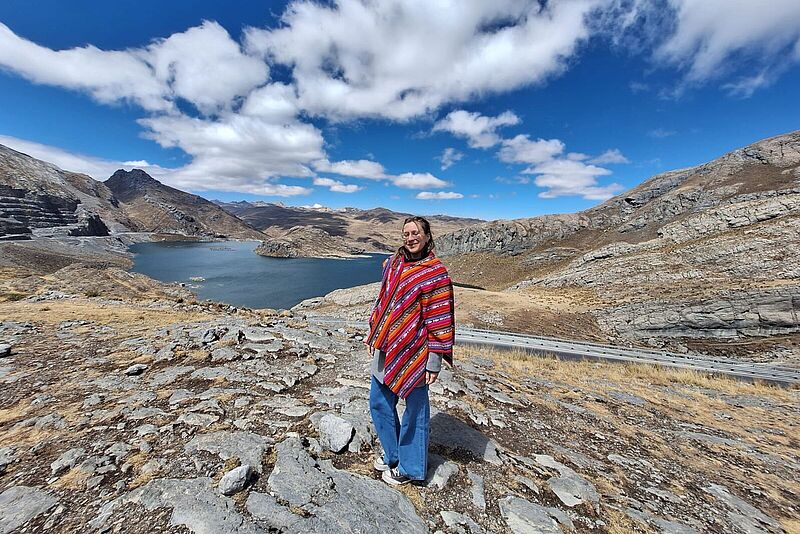
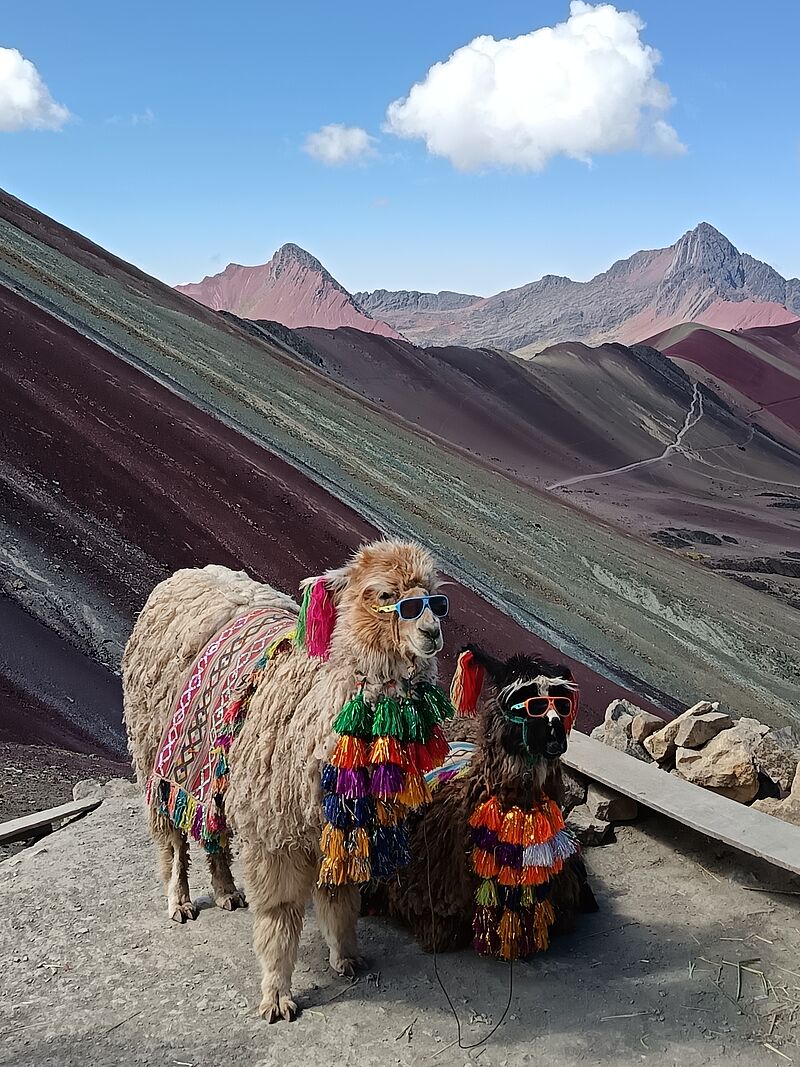
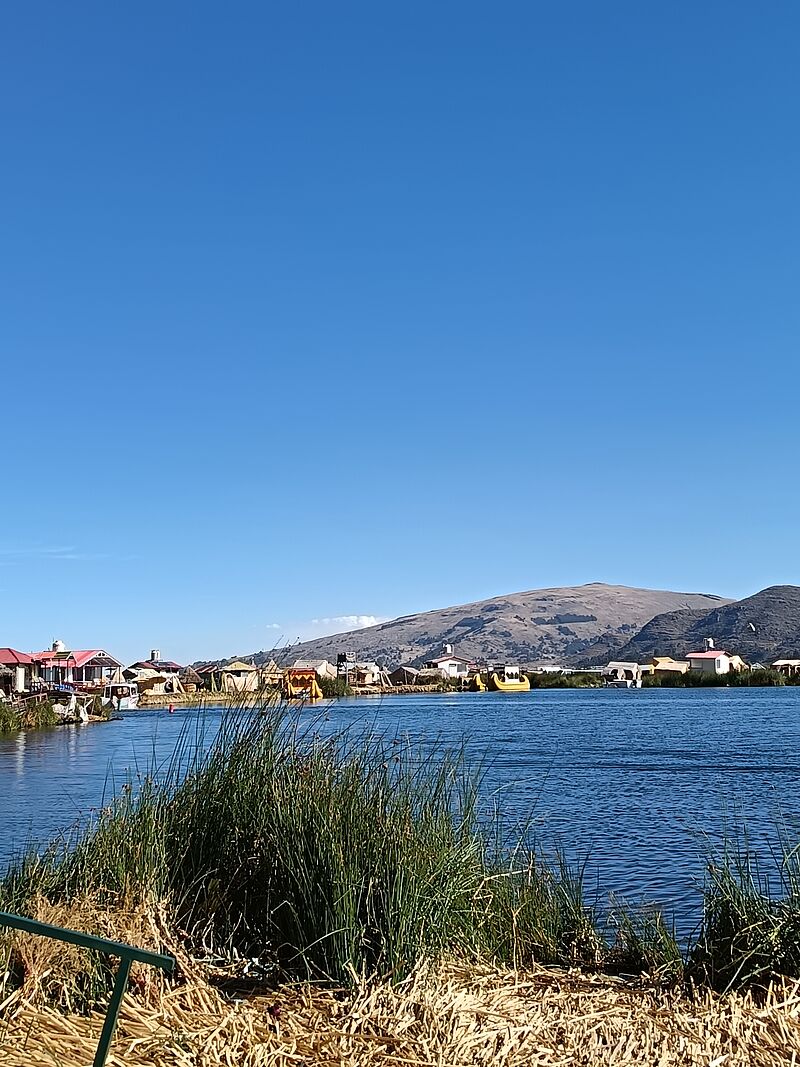
Ich habe Peru als landschaftlich und kulturell sehr vielfältig und reich wahrgenommen. Es gibt viele Möglichkeiten und Potenzial im Land und die Kultur und Geschichte sind interessant, wenn auch in manchen Zügen frustrierend und traurig. Die Menschen, die ich kennenlernen durfte, waren alle super freundlich, herzlich und hilfsbereit und ich habe mich so gut wie nie alleine, unsicher oder fehl am Platz gefühlt.
What were your impressions of the country, the culture and the people?
I found Peru to be a country of great scenic and cultural diversity and richness. There are many opportunities and a lot of potential in the country, and the culture and history are fascinating, though in some respects frustrating and sad. The people I had the chance to meet were all incredibly friendly, warm and helpful, and I hardly ever felt alone, unsafe or out of place.
Was hat dich überrascht?
Mich hat besonders überrascht, wie groß Lima wirklich ist und wie lange man von einem bis zum anderen Ende der Stadt braucht. Außerdem war ich überrascht davon, wie verschieden die Stadtteile doch sind und aussehen. Darüber hinaus war ich erstaunt vom Klima, vom Temperaturunterschied zwischen Sommer und Winter und von dem wenigen Regen in Lima.
What surprised you?
I was particularly surprised by just how big Lima really is and how long it takes to get from one end of the city to the other. I was also surprised by how different the various neighbourhoods actually are and look. Furthermore, I was amazed by the climate, the difference in temperature between summer and winter, and how little rain there is in Lima.
Was war dein prägendstes Erlebnis?
Meine prägendsten Erlebnisse waren im Dschungel! Auf einer Reise mit anderen Studierenden nach Iquitos hatten wir die Möglichkeit, rosane Delfine sowie Faultiere und andere Tiere zu sehen. Darüber hinaus haben wir einen Teil des Amazonasgebietes in Wanderungen erkunden und viel über den Regenwald erfahren dürfen.
Mein zweites prägendes Erlebnis war auf einer Reise in einen anderen Ort im Regenwald, in der Nähe von Tarapoto. Dort fand ich nicht nur die Menge an Regen (vor allem im Vergleich zu Lima) beeindruckend, sondern auch die Unberührtheit des Regenwaldes.
What was your most memorable experience?
My most memorable experiences were in the jungle! On a trip to Iquitos with other students, we had the chance to see pink dolphins, sloths and other animals. We also got to explore part of the Amazon region on hikes and learnt a lot about the rainforest. My second most memorable experience was on a trip to another place in the rainforest, near Tarapoto. There, I was impressed not only by the amount of rain (especially compared to Lima), but also by the unspoilt nature of the rainforest.
Hat sich dein Blick auf deine Studieninhalte oder deine Zukunftspläne verändert?
Nein, mein Blick auf Studieninhalte und Zukunftspläne ist wie vorher.
Has your view of your course content or your future plans changed?
No, my view of my course content and future plans is the same as before.
Würdest du anderen Studierenden einen Auslandsaufenthalt empfehlen?
Definitiv ja!! Man lernt so viele tolle Menschen kennen während eines Auslandssemesters, lernt sich selber besser kennen und wächst über sich hinaus. Man entwickelt einen anderen Blick auf viele Dinge und macht viele Erfahrungen, die unvergesslich und einmalig sind.
Would you recommend studying abroad to other students?
Absolutely! You get to meet so many wonderful people during a semester abroad, get to know yourself better and really push yourself to new heights. You develop a different perspective on many things and have experiences that are unforgettable and unique.
Welche Tipps würdest du Studierenden geben, die noch zögern?
Man hat nur sehr selten im Leben die Möglichkeit, so viele Erfahrungen mit so vielen tollen Menschen und neuen Freundschaften in so kurzer Zeit zu sammeln. Man lernt wahnsinnig viel über sich selber, wächst über sich hinaus und erlebt Momente, die man nie wieder vergisst. Außerdem lernt man so schnell neue Leute kennen, dass man nie alleine ist und im besten Fall neue Freundschaften (hoffentlich) für das Leben dazugewinnt.
What advice would you give to students who are still hesitating?
It’s very rare in life to have the chance to gain so much experience with so many wonderful people and make new friends in such a short space of time. You learn an incredible amount about yourself, grow beyond your limits and experience moments you’ll never forget. What’s more, you get to know new people so quickly that you’re never alone and, in the best-case scenario, you’ll (hopefully) make new friends for life.
Was hättest du gern vorher gewusst?
In Bezug auf meinen Auslandsaufenthalt in Peru hätte ich gerne vorher gewusst, dass man auch wenn man bereits ein paar Mal im Ausland war immer wieder eine Eingewöhnungszeit braucht und sich mit manchen Dingen am Anfang schwertut, die man am Ende zu schätzen weiß.
In Bezug auf Guadeloupe hätte ich gerne vorher gewusst, dass die Kurswahl an der Uni nicht besonders leicht ist und die ECTS pro Fach sehr gering sind, sodass es schwierig ist, auf 30 ECTS zu kommen. Außerdem hätte ich gerne vorher gewusst, ob es simpler ist, ein Auto zu kaufen oder zu leihen.
What would you have liked to have known beforehand?
Regarding my time abroad in Peru, I would have liked to have known beforehand that, even if you’ve been abroad a few times before, you still need time to settle in and will struggle with some things at the start – things you’ll come to appreciate in the end.
As for Guadeloupe, I would have liked to have known beforehand that choosing courses at the university isn’t particularly easy and that the ECTS credits per subject are very low, making it difficult to reach 30 ECTS. I would also have liked to have known beforehand whether it’s easier to buy a car or hire one.
Lieblingsanekdote, die du oft erzählst?
Ich habe des Öfteren freitags vorgehabt, auszugehen und wollte nur für kurze Zeit nach Hause, um mich fertigzumachen. Dabei habe ich meistens meine Gastmutter getroffen und mich manchmal am Ende so lange mit ihr unterhalten, dass sich schließlich zuhause geblieben bin. Die Zeit mit meiner Gastmutter fand ich super wertvoll, weil sie mir viel über Peru, ihre Kindheit und ihre Karriere erzählen konnte und ich davon einiges mitgenommen habe.
What’s your favourite anecdote that you often tell?
I often planned to go out on Fridays and just wanted to pop home briefly to get ready. I usually bumped into my host mum and sometimes ended up chatting with her for so long that I ended up staying in. I found the time with my host mum incredibly valuable because she was able to tell me a lot about Peru, her childhood and her career, and I learnt a great deal from it.
Wie hat der Aufenthalt deinen Lebenslauf oder deine Karriereoptionen bereichert?
Ich würde sagen, dass der Auslandsaufenthalt meinen Lebenslauf überwiegend aufgrund der Sprachkenntnisse bereichert hat. Außerdem habe ich durch beide Auslandsaufenthalte sowohl meine Arbeit im Team ausbauen als auch mehr Einblick und Erfahrung in der praktischen Umsetzung von Lehrinhalten bekommen können.
How has your time abroad enhanced your CV or career prospects?
I would say that my time abroad has enhanced my CV, mainly due to the language skills I’ve gained. Furthermore, through both of my stays abroad, I’ve been able to develop my teamwork skills and gain greater insight and experience in the practical application of teaching content.
Wie würdest du deinen Auslandsaufenthalt in einem Satz beschreiben?
Trotz kleinerer Challenges war mein Auslandsaufenthalt immer geprägt von tollen, bereichernden und unvergesslichen Momenten mit Menschen, die ich hoffentlich wiedersehen werde.
How would you describe your time abroad in one sentence?
Despite a few minor challenges, my time abroad was always filled with wonderful, enriching and unforgettable moments with people I hope to see again.