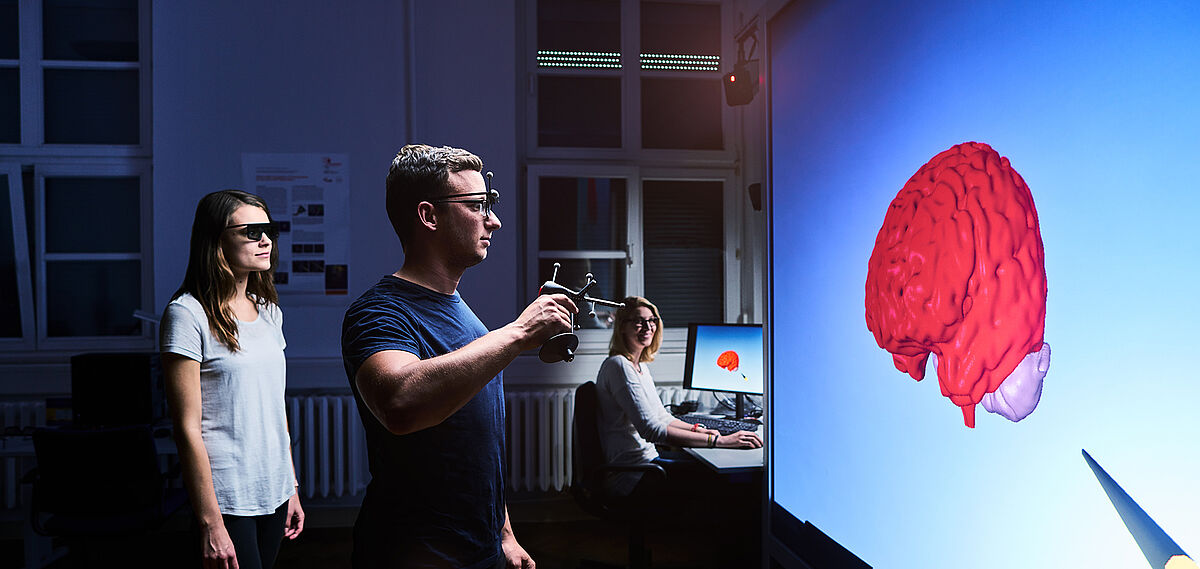
Digital medicine and artificial intelligence are conquering the healthcare sector. The Digital Health Technology degree programme creates the best conditions for revolutionising the research, diagnosis, treatment and prevention of diseases with sound skills in the development of software, the design and application of machine learning methods and in-depth knowledge of medicine and healthcare. By cooperating with many medical institutions in the context of practical semesters and bachelor theses, we provide you with practical training with excellent career opportunities.
| Study programme | Digital Health Technology |
| Faculty | Faculty of Electrical Engineering and Computer Science |
| Start | winter semester |
| Admission | admission-free |
| Duration | 7 semesters |
| Credit points | 210 ECTS |
| Degree | Bachelor of Science (B.Sc.) |
| Lecture language | German |
- Secondary school leaving certificate (Abitur or equivalent) or
- College leaving certificate from a technical college (Fachhochschulreife or equivalent) or
- Master’s certificate under the apprenticeship system (Meisterabschluss) or equivalent professional vocational training examination or
- Entrance examination
Information for foreign applicants: Incoming
Goals and career prospects
Your career prospects as a graduate of this interdisciplinary degree programme are very diverse. By specialising in the fields of Medical Data Science, Health Technology or Public Health, you will have a broad range of skills and therefore various employment opportunities. For example, you can design AI models to diagnose diseases, develop software for medical information systems or medical technology components or work on innovative procedures to support rehabilitation and care. Of course, you can also play a key role in the management of projects within healthcare facilities.
After completing your Bachelor's degree, we offer various Master's degree programmes. Various specialisations are possible there so that you can develop further in the direction of your personal interests.
Examples of job profiles
Software developers develop, implement and operate IT applications for clinics, research institutions and companies in the healthcare sector. The tasks include
- Developing applications, e.g. to support diagnostic processes or to map patient management
- Automation and optimisation of workflows using intelligent systems, e.g. for processing large amounts of data from clinical studies
- Development of information-based decision support systems
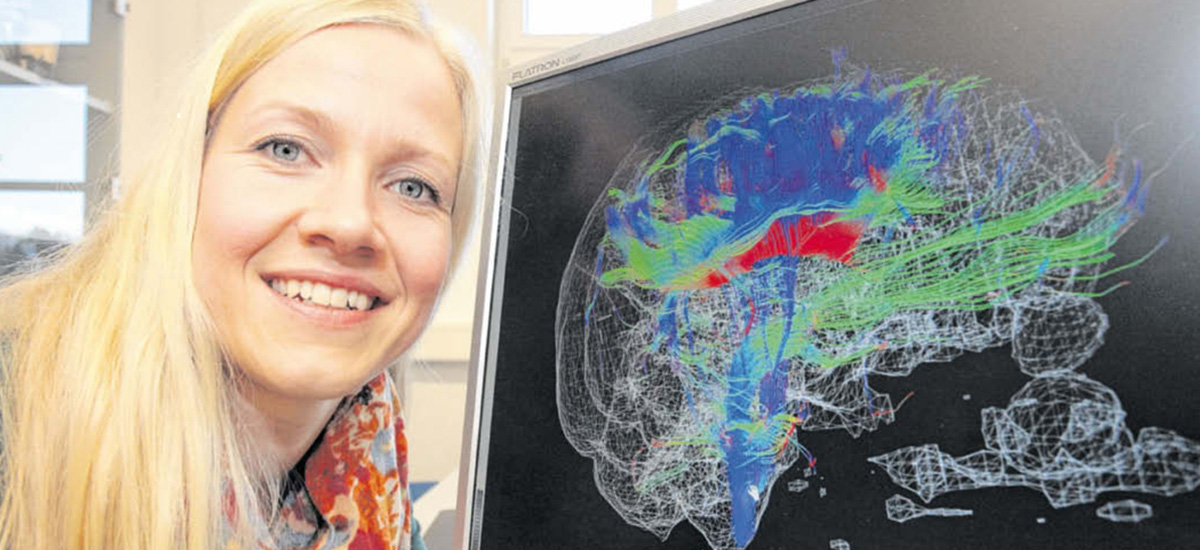
- Validating and analysing health data with the help of artificial intelligence, e.g. to identify patterns in clinical studies or disease patterns
Data managers organise and manage data centres at pharmaceutical manufacturers or in clinics. The tasks include:
- Collecting, validating and storing data from clinical trials (e.g. authorisation of new drugs)
- Designing and setting up data storage systems and databases
- Implementation of processes in which data from several, possibly differently structured data sources are combined in a target database
- Design and provision of data collection forms (CRFs) or dialogues
- Provision of data for evaluation (biometric data preparation)
IT application administrators plan, configure and operate information systems in hospitals. The tasks include
- Ensuring data security and data protection
- Supporting and training users
- Conception and procurement of system components
- Connection to telemedical networks
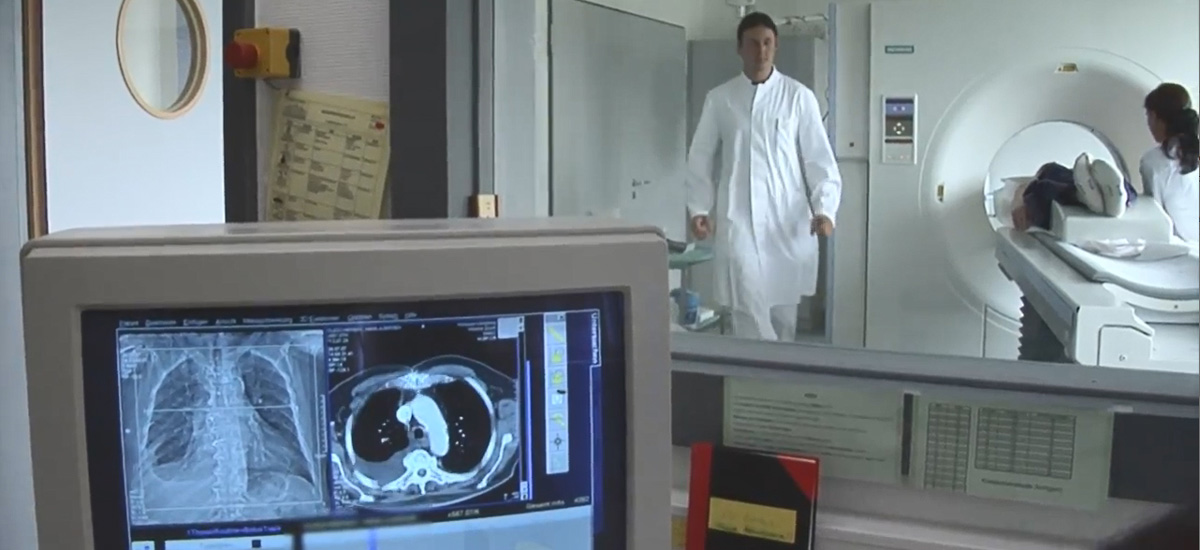
- Supporting applications such as maintaining electronic patient records, recording and storing radiological images, processing laboratory data, evaluating intensive care signal data
The degree programme is divided into seven semesters. In the fifth semester, you can put your acquired skills into practice, e.g. in clinics, public healthcare facilities, manufacturers of medical software or devices or in the pharmaceutical industry. In the sixth and seventh semesters, you can specialise in elective modules according to your personal interests and choose courses in areas such as health technology, medical data science or public health.
What type of student are you?
The Bachelor's degree programme can be studied full-time, part-time or as a form of study with in-depth practical experience. The degree programme can thus be flexibly tailored to personal needs for family and career.
You can find an example of a part-time study plan here.